How Much Does a Good Trail Horse Cost in 2026? Honest Answers From 30 Years of Horse Sales
"How much is a good horse going to cost me?"
It's the first question almost every buyer asks us — usually before they ask about breed, age, or temperament. And it's the right question. So here's the answer nobody wants to give you online: it depends, but not in the way you think. After nearly 30 years of selling horses out of Blairsville, Georgia, we can tell you exactly what drives the price of a safe, trail-ready horse — and why the cheapest horse is almost never the least expensive one.
The Short Answer: What Trail Horses Actually Cost in 2026
At A Step Above Stables, our horses range from about $9,000 to $25,000. That range covers everything from solid, dependable trail partners to registered, exceptionally trained horses that can do it all.
Across the broader market, here's roughly what different price points get you:
Under $5,000 — Proceed carefully. At this price you're usually looking at a green (barely trained) horse, an aging horse with maintenance needs, or a horse with a behavioral problem someone isn't mentioning. There are honest exceptions, but they're rare — and they get snapped up by experienced horse people who can spot them.
$5,000–$10,000 — The entry point for genuinely rideable trail horses. Expect some trade-offs: less training, less experience on varied terrain, or an unproven history with beginners and kids.
$10,000–$18,000 — The sweet spot for most families. This is where you find horses that are broke to ride, sound, sane on the trail, good with farriers and trailers, and forgiving of beginner mistakes. Most of the horses we sell live in this range.
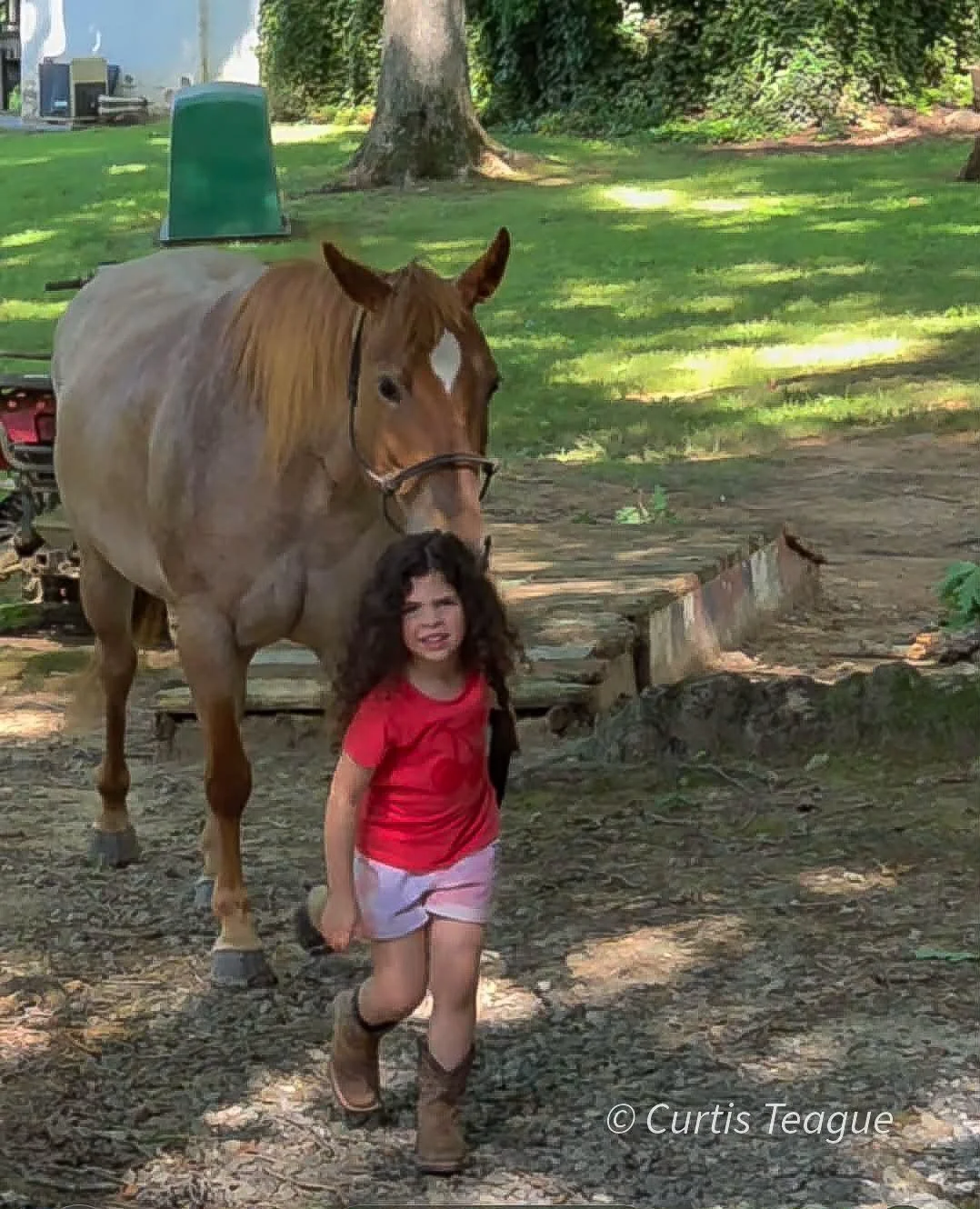
$18,000–$25,000+ — Registered bloodlines, smooth-gaited breeds like Tennessee Walkers and Racking Horses, exceptional temperaments, and horses proven safe for the least experienced riders. When a horse has to take care of your eight-year-old, this is what that certainty costs.
What Actually Drives the Price of a Horse
When buyers ask why one horse is $9,000 and another is $22,000, it usually comes down to five things:
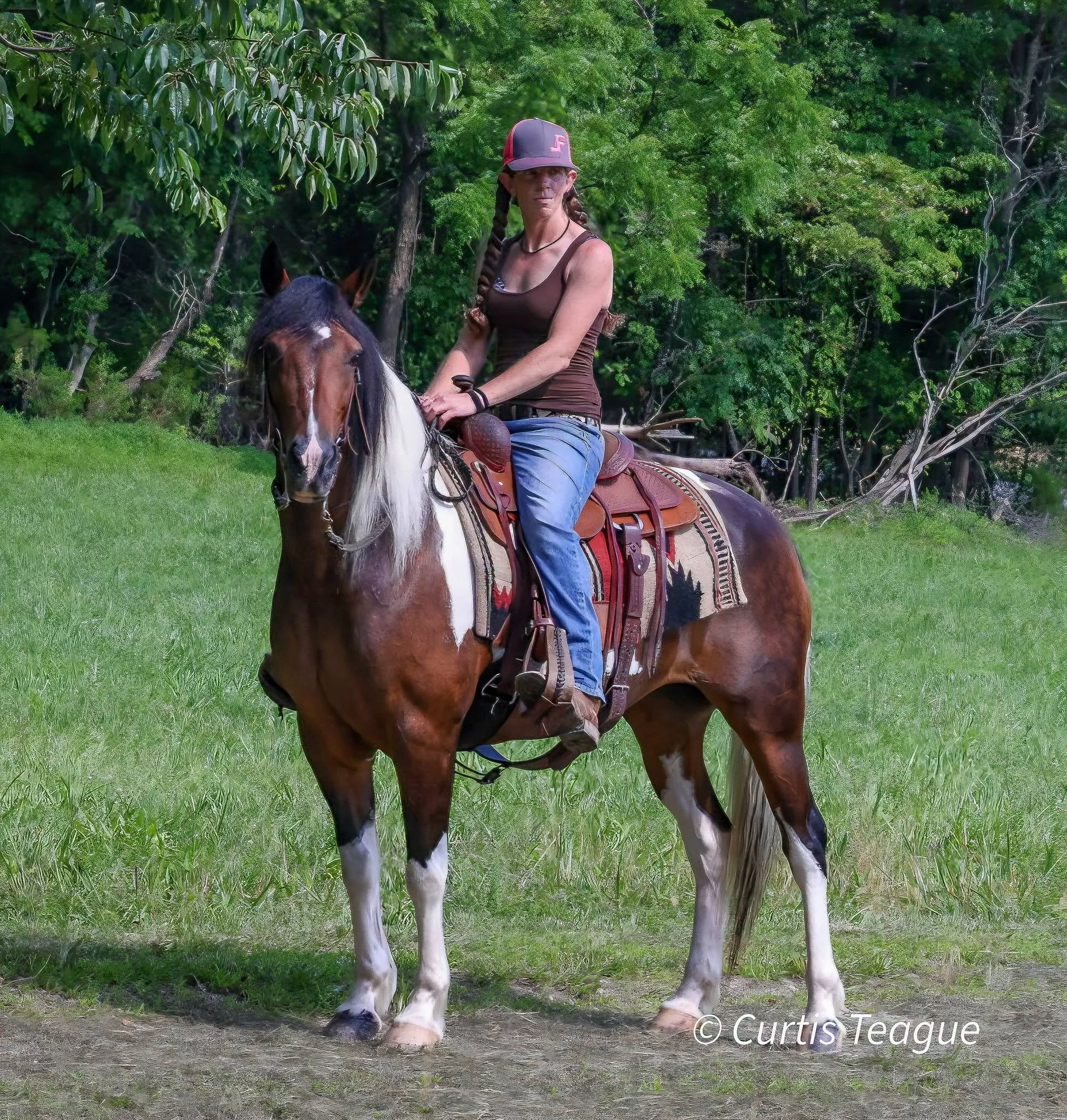
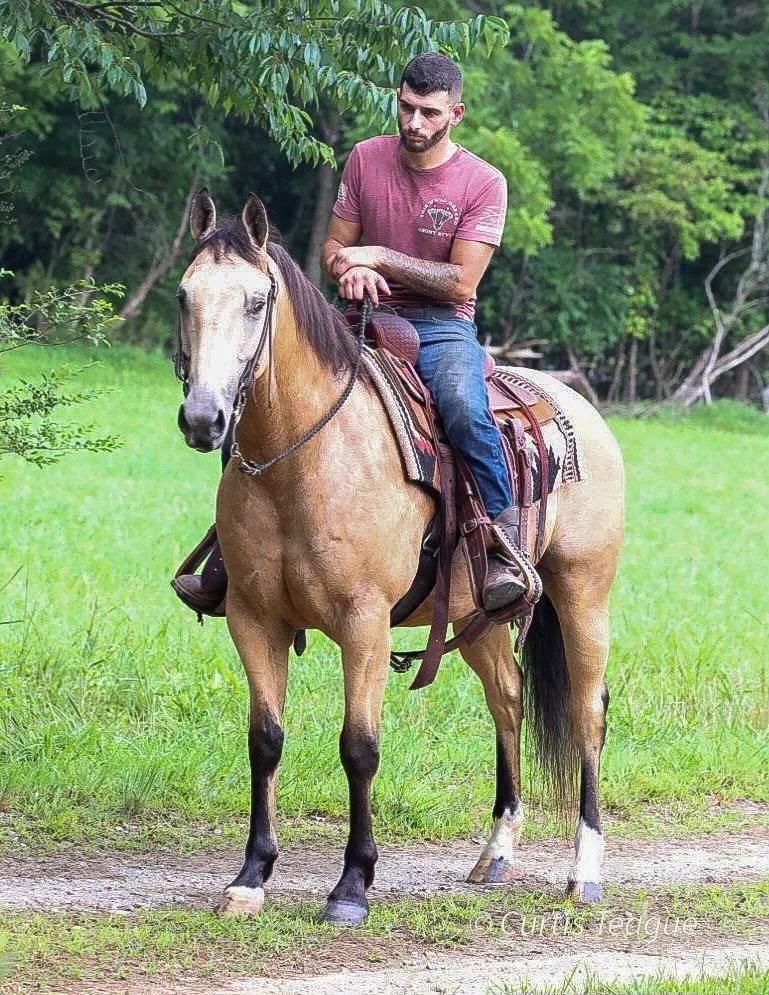
1. Training and trail miles. A horse that has logged hundreds of hours on real mountain terrain — creek crossings, rocky climbs, traffic, deer jumping out of the brush — costs more because those hours cost money and time to put in. Every horse we sell is proven on North Georgia mountain trails before it's ever listed. That's not marketing; it's the single biggest factor in what makes a horse safe.
2. Temperament. "Bombproof" is the most overused word in horse sales, but genuine calm is rare and valuable. A horse that stays quiet when a plastic bag blows across the trail is worth thousands more than one that doesn't — because the alternative is a hospital bill.
3. Age and soundness. The prime window is roughly 6 to 14 years old: mature enough to be sensible, young enough for many years of riding. Horses current on shoes, teeth, and vaccinations, with no lameness history, command more — and save you far more.
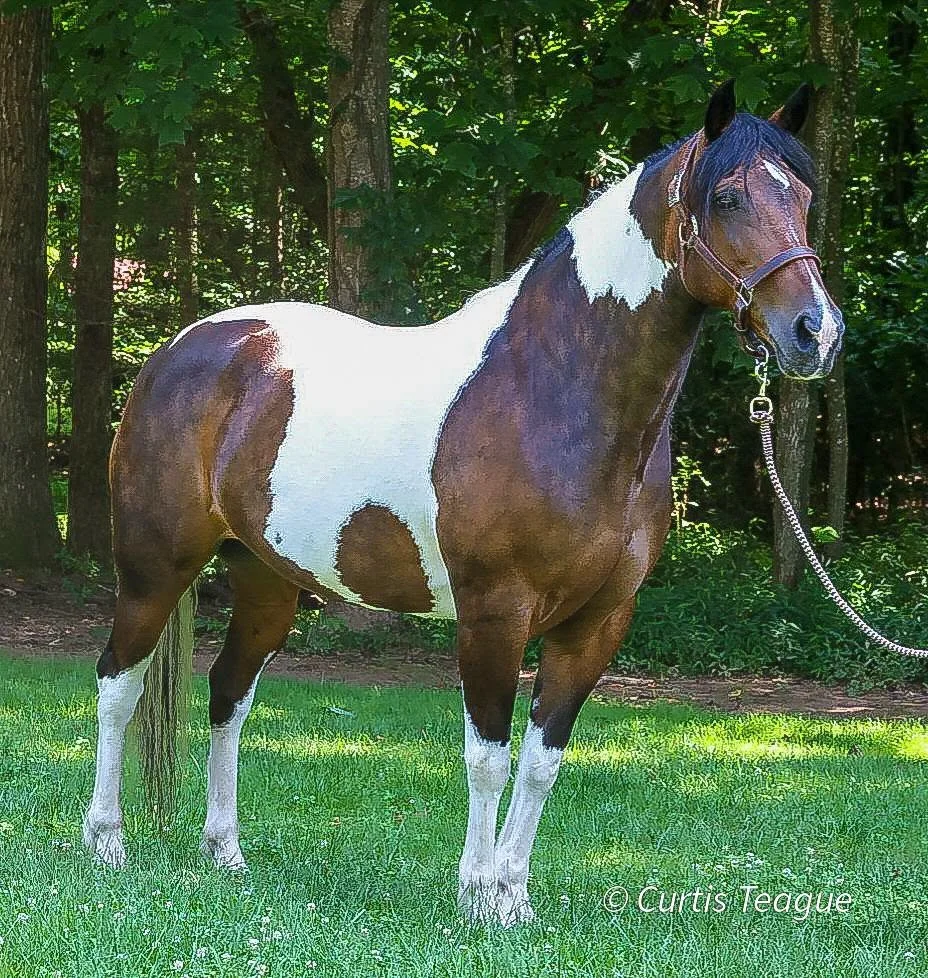
4. Breed and gait. Smooth-gaited breeds — Tennessee Walking Horses, Racking Horses, Rocky Mountain Horses — often run higher because riders with back or knee trouble specifically seek them out. Quarter Horses and Paints hold steady value as the classic do-everything trail partners.
5. Who's selling it. A horse from a seller who guarantees it, lets you test ride it, and answers the phone after the sale costs more than a horse from a stranger's Facebook post. You're not just buying the horse — you're buying the truth about the horse.
The Real Cost of a "Cheap" Horse
Here's the math nobody does until it's too late. Say you find a $3,500 horse online instead of a $12,000 trail-tested one. You saved $8,500 — until:
The "little spookiness" turns out to need 6 months of professional training at $800–$1,200/month
The vet check you skipped reveals a lameness issue with ongoing costs
Or worst of all, someone gets hurt — and the horse ends up unrideable in your pasture, eating $300+ a month in board and feed
We've spent 30 years re-matching riders who bought the wrong horse first. A well-priced horse from an honest seller isn't the expensive option. It's the insurance.
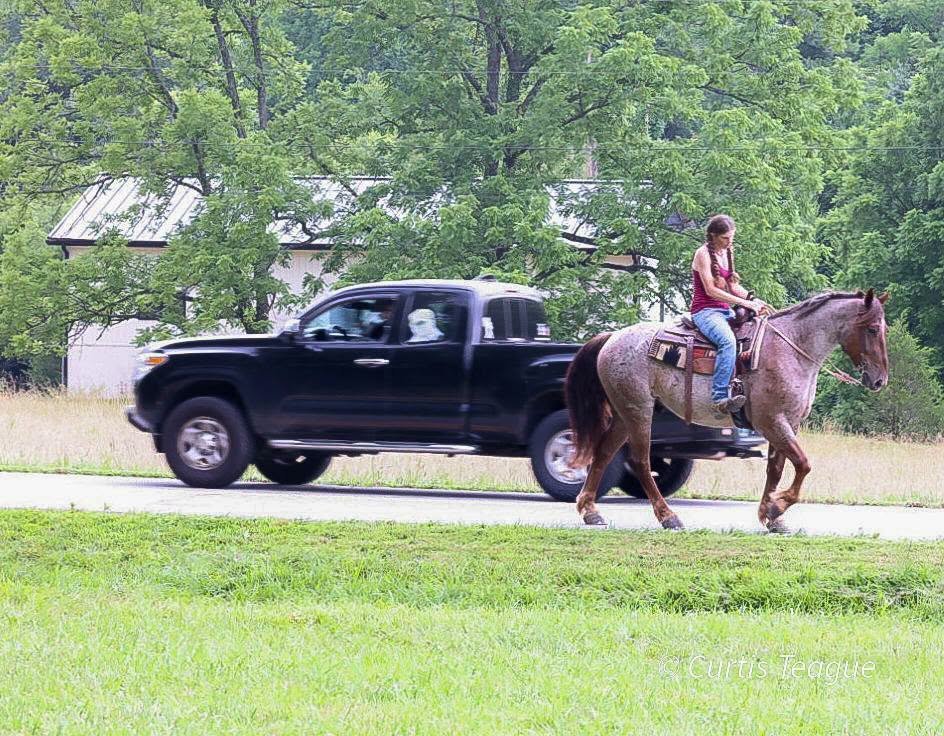
Trail testing one of our horses prior to sale
Can't Pay All at Once? You Don't Have To.
One of the biggest myths in horse buying is that you need the full price in cash on day one. We've offered flexible payment plans for years, because the right horse shouldn't be out of reach for a family that budgets responsibly. Tell us what you're working with — we'll tell you honestly what's possible. No banks, no games.
What's Included in the Price at A Step Above Stables
When you buy from us, the sticker price includes things most sellers charge extra for — or don't offer at all:
Our guarantee: if the horse isn't the right fit, we'll exchange it for another in our inventory. We've honored that promise for nearly 30 years.
Test rides at the farm: come out, spend time with the horse, ride it on real terrain. No pressure, no clock ticking.
Honest matching: if the horse you love isn't right for your experience level, we'll tell you — even if it costs us the sale.
Delivery help: we work with reputable equine transporters and have shipped horses as far as California and Canada. Local delivery within 50 miles may be complimentary.
Frequently Asked Questions About Horse Prices
Is $10,000 too much for a first horse? No — for a first horse, it's often the minimum worth paying. Beginners need the most forgiving, best-trained horses, and those cost more than project horses suited to professionals. The riskiest thing a new rider can buy is a cheap horse.
Do horse prices go down in winter? Sometimes sellers discount in late fall and winter to reduce feed costs through the cold months. But safe, kid-proven horses sell fast in every season — waiting for a deal on the right horse usually means losing it.
How much does a horse cost per month after you buy it? Budget roughly $300–$600/month in North Georgia for feed, hay, farrier, and routine vet care — more if you board. The purchase price is the down payment on the relationship; the monthly care is the subscription. (This is also why buying a sound horse matters so much — unsoundness turns that $400 month into a $1,500 one.)
Why are your horses more expensive than ones I see on Facebook? Because every one of ours is trail-tested on mountain terrain, sound, sane, and backed by a guarantee — and the seller will still answer your call next year. You can absolutely find cheaper horses. What's hard to find cheaper is the truth about a horse.
Come See the Difference in Person
Numbers on a screen only tell you so much. The way to know what a horse is worth is to stand next to it, ride it, and look the seller in the eye. We're in Blairsville, Georgia, in the heart of the Blue Ridge Mountains — and buyers drive (and fly) in from all over the country to buy here.
Give us a call before you come out so we can give you our full attention. Tell us your budget, your experience level, and what you want to do with your horse. We'll tell you the truth about what fits.