
New Additions to the Farm
Why North Georgia Trail Horses Are Different
December 2025
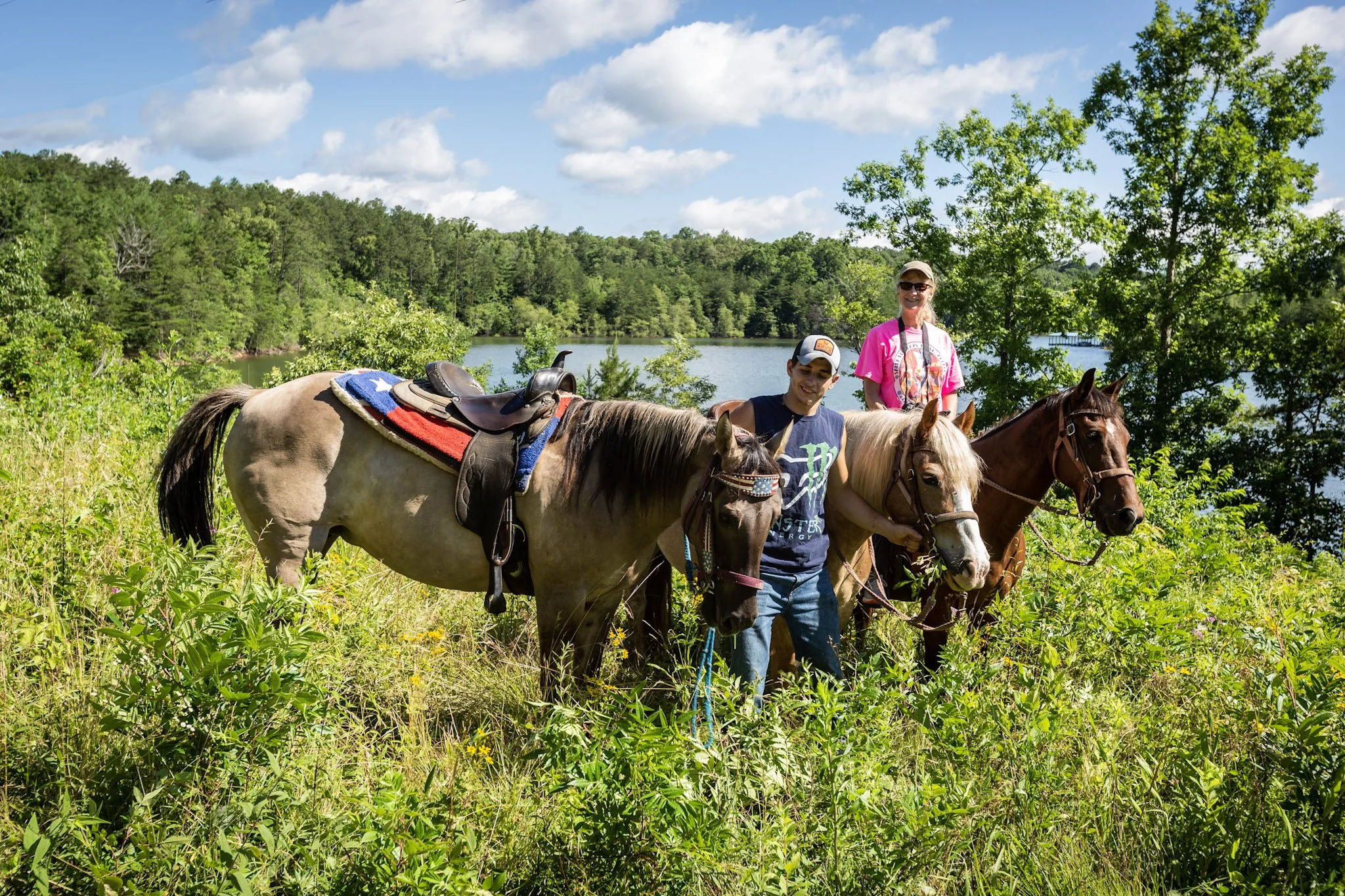
If you've been searching for trail horses in the Southeast, you've probably noticed that horses raised in the North Georgia mountains have a reputation. Riders travel from across the region—Atlanta, Tennessee, the Carolinas—specifically looking for mountain-trained horses. But what makes these horses different from those raised in flatland pastures or arena-focused programs?
The answer comes down to one thing: real-world experience on challenging terrain.
The Mountain Advantage
Horses are products of their environment. A horse raised and worked in the North Georgia mountains develops physical and mental qualities that flatland horses simply don't have the opportunity to build.
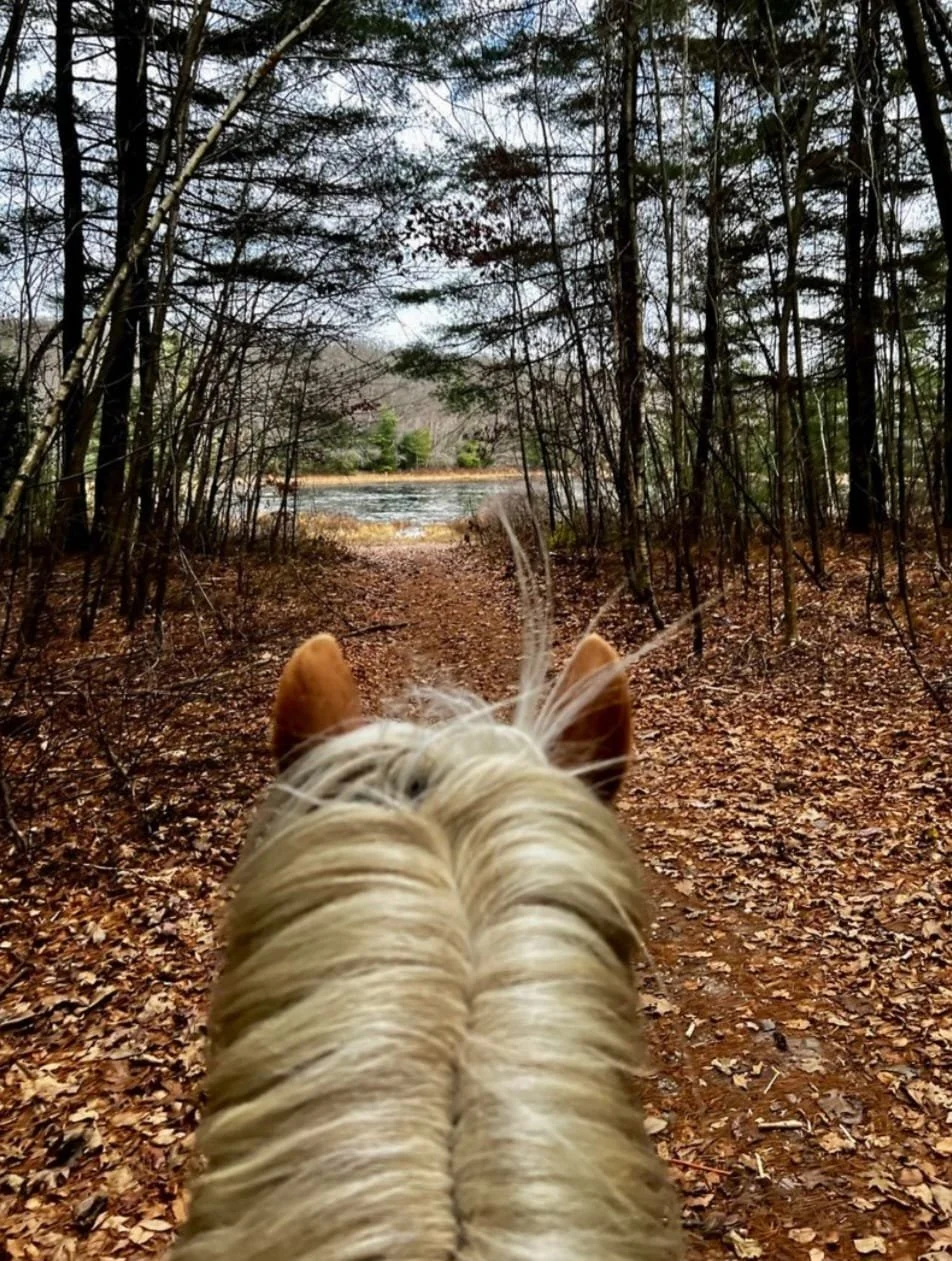
The Chattahoochee National Forest and surrounding trails offer steep grades, rocky creek crossings, root-tangled paths, and unpredictable footing. Horses that work these trails daily develop powerful hindquarters for climbing, sure-footedness that becomes second nature, and the cardiovascular conditioning that comes from elevation changes.
But the physical benefits are only half the story.
Mental Toughness You Can't Fake
A horse that's only been ridden in an arena might spook at a fallen log, a rushing stream, or a deer crashing through the brush. A mountain-trained horse has seen it all—wildlife encounters, changing weather, narrow switchbacks with steep drop-offs, and other trail users on foot, bike, or ATV.
This exposure creates a calm, confident temperament that can't be rushed or faked. It takes years of varied trail experience to produce a truly "bombproof" horse, and there's no shortcut to that kind of steady mind.
For beginner riders especially, this mental steadiness is everything. A horse that stays calm when things get unexpected keeps you safe and builds your confidence in the saddle.
Climate-Tested, Four Seasons Strong
North Georgia experiences true four-season weather—hot, humid summers, crisp fall days, occasional winter snow, and unpredictable spring storms. Horses raised here adapt to temperature swings, varying humidity, and changing trail conditions throughout the year.
When you buy a horse that's already acclimated to Southeast weather patterns, you skip the adjustment period that comes with horses shipped from drastically different climates.
What to Look For
Not every horse raised in the mountains is automatically trail-ready. When evaluating a potential trail horse, ask about actual trail experience—how often the horse is ridden on trails, what obstacles it's encountered, and whether it's been worked alone and in groups.
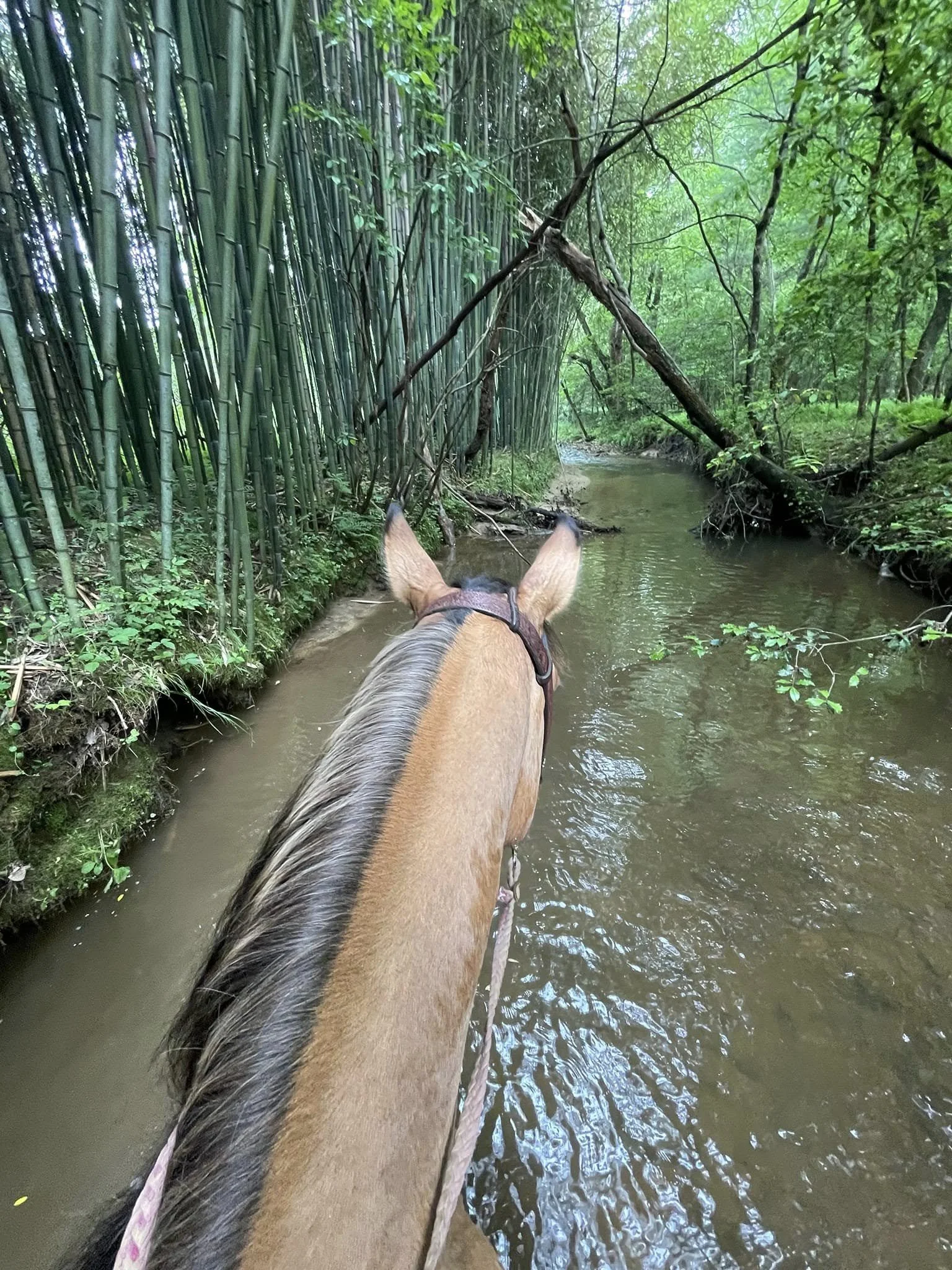
A quality mountain trail horse should load calmly, stand quietly for mounting, navigate water crossings without hesitation, and maintain a steady pace on steep terrain. Most importantly, the horse should stay relaxed when surprises happen—because on the trail, they always do.
The Bottom Line
There's a reason experienced trail riders seek out horses from mountain programs. The combination of physical conditioning, mental toughness, and real-world experience creates a partner you can trust on any trail.
At A Step Above Stables in Blairsville, Georgia, every horse in our program is trail-tested on actual mountain terrain—not just arena-trained horses that have been on a few trail rides. We believe that's the difference between a horse that can handle a trail and a horse that's truly trail-ready.
Ready to find your mountain-trained trail partner?
Contact us today, to schedule a visit and ride our trails yourself.
Have questions? We'd love to help you find the right horse.
