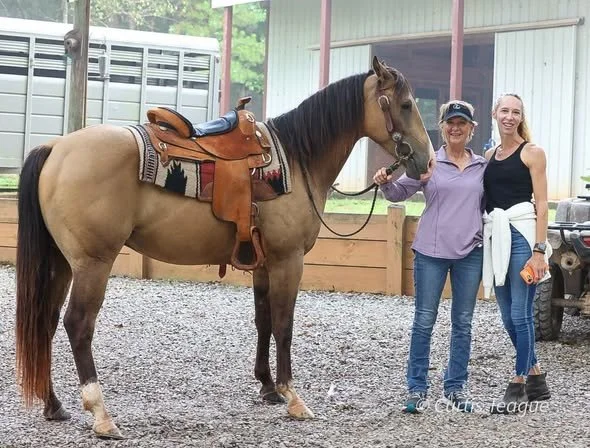
Best Horse Breeds for Trail Riding: A Guide for Beginners and Families
Choosing the right trail horse is less about finding one “perfect” breed and more about matching temperament, training, size, gait, and experience to the rider. Still, some breeds and crosses consistently make excellent partners for beginners, families, senior riders, and anyone who wants a dependable horse for recreational trail riding.
At A Step Above Stables in Blairsville, Georgia, we have matched riders with safe, trail-tested horses since 1996. This guide explains the breeds we often recommend, what each does well, and what matters more than the name on a registration paper.
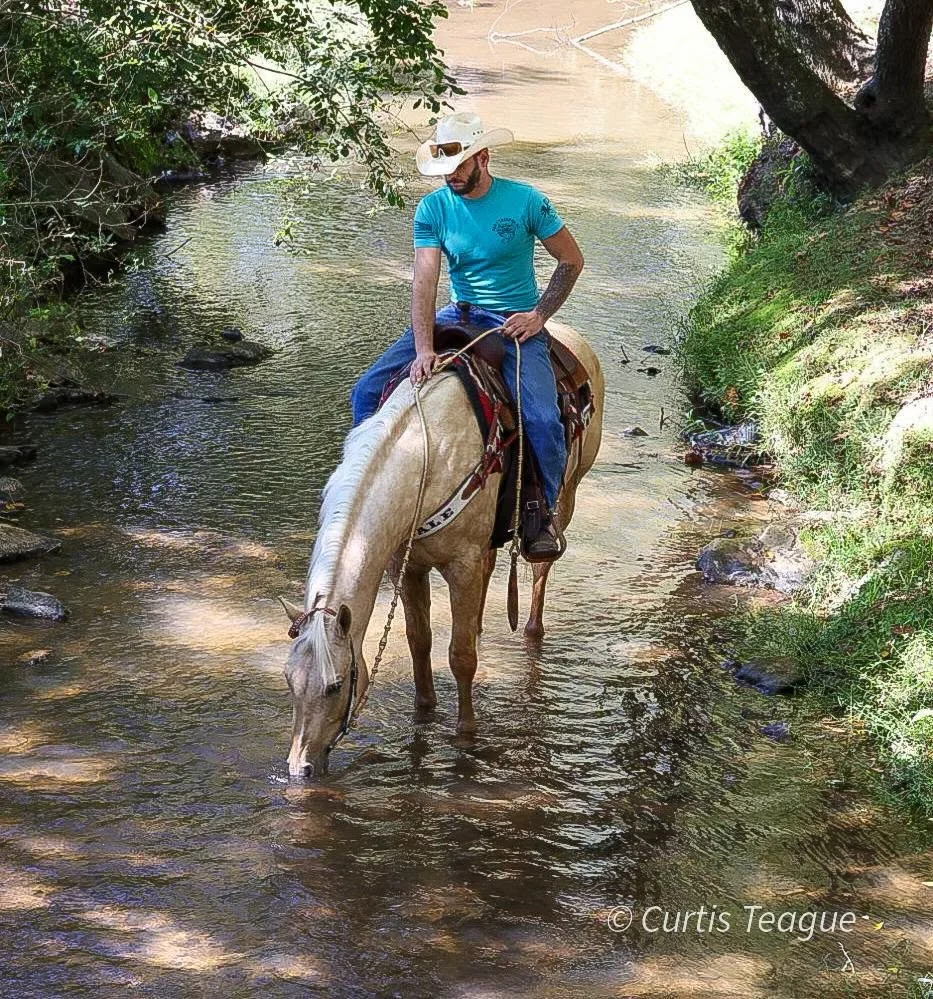
WHAT MAKES A GOOD TRAIL HORSE?
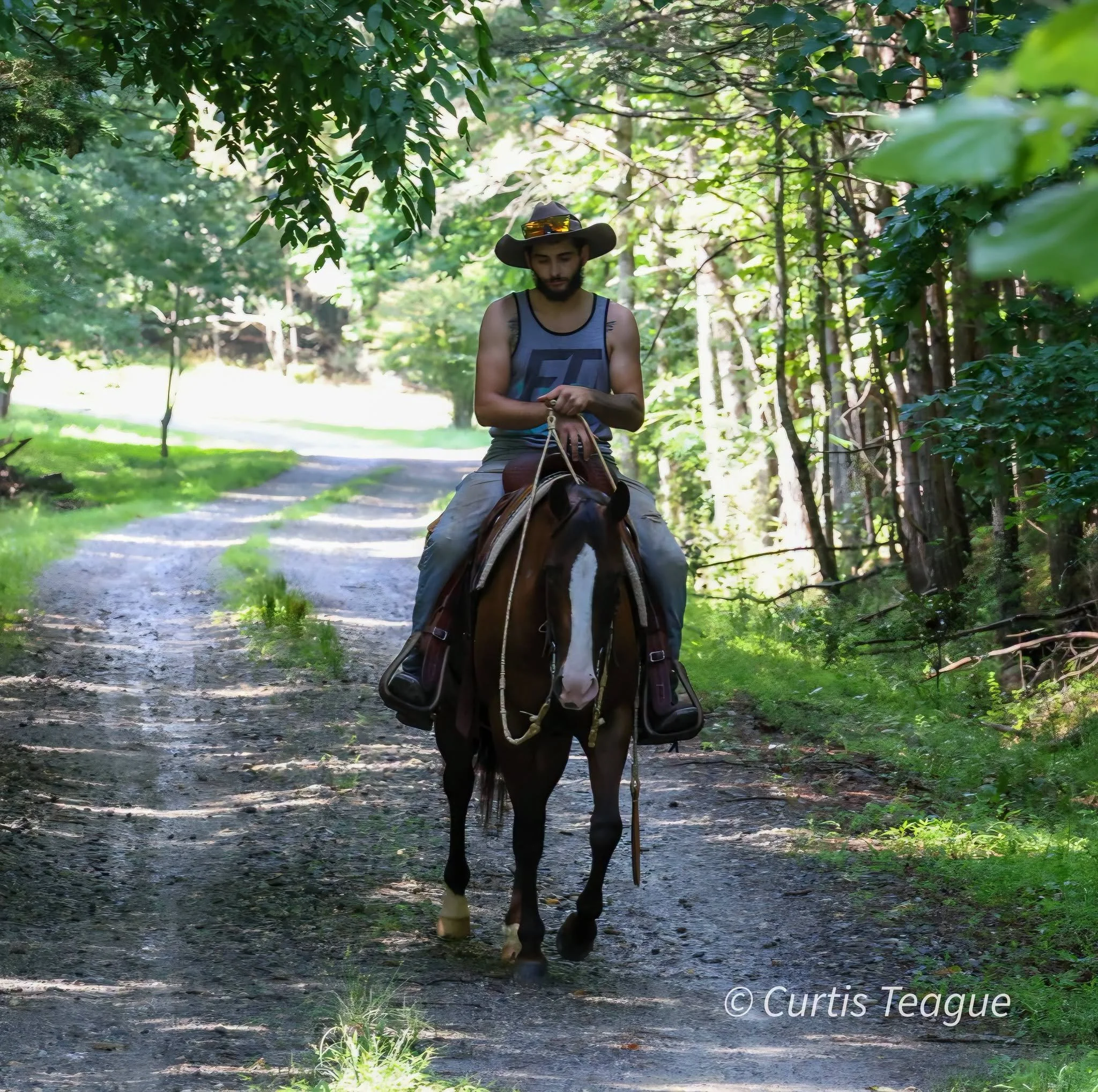
A trustworthy trail horse needs more than a quiet personality in the barn. The horse should remain sensible when the scenery changes and should have real experience with hills, water, bridges, traffic, dogs, wildlife, and other horses.
Look for these qualities:
• A calm, predictable temperament
• Sure-footed movement on uneven ground
• Good brakes and light steering
• Willingness to ride alone or with a group
• Patience at mounting blocks and during rest stops
• Safe ground manners for grooming, loading, and farrier work
• Enough fitness and substance for the rider and terrain
Breed can point you in a useful direction, but training and temperament decide whether a horse is truly safe for you.
1. QUARTER HORSES: VERSATILE, STEADY, AND EASY TO UNDERSTAND
Quarter Horses are popular trail mounts for good reason. Many have a balanced build, comfortable way of going, and an uncomplicated personality. A seasoned Quarter Horse can suit a beginner, a family, or an experienced rider who wants a dependable all-around partner.
They are often a strong choice for riders who want:
• A traditional walk, trot, and canter
• A sturdy horse with an athletic build
• A versatile partner for trails, arena work, and family riding
• Straightforward cues and a familiar riding style
The individual still matters. Some Quarter Horses are bred for speed or high-performance work and may be too sensitive for a new rider. We look for the quiet, experienced individuals that have already proven themselves outside an arena.
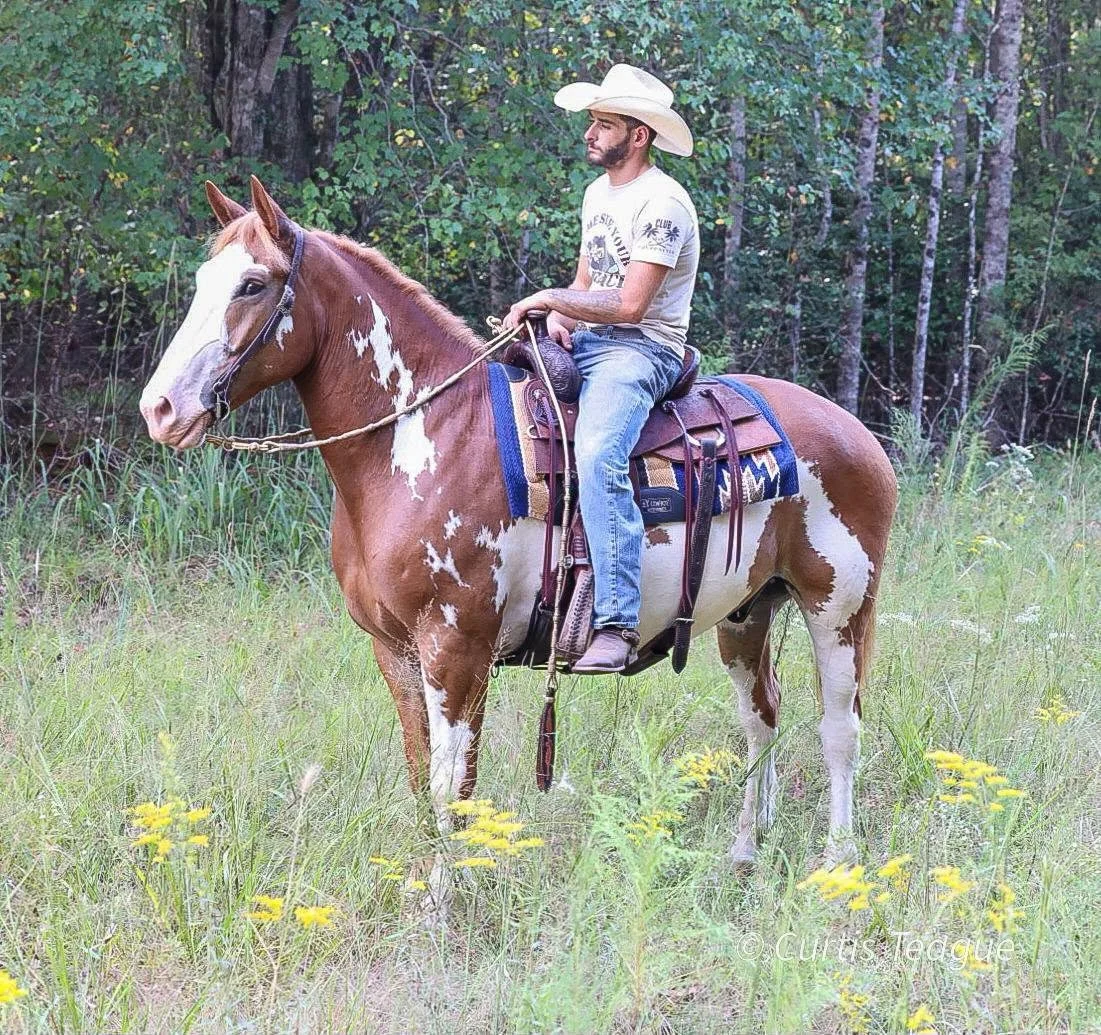
2. TENNESSEE WALKING HORSES: SMOOTH RIDES FOR LONG DAYS
Tennessee Walking Horses are known for their smooth gait and are especially popular with trail riders who want comfort over distance. A calm, experienced Walker can be a wonderful choice for senior riders, riders with back or knee concerns, and anyone who prefers less bounce than a traditional trot.
A good trail Walker should still have reliable brakes, a sensible mind, and the ability to walk quietly when asked. Smooth movement is valuable, but it does not replace safe training.
Best suited for riders who value:
• A smooth, ground-covering gait
• Comfortable rides over longer distances
• A willing trail attitude
• A horse that can keep up with a group without rushing
3. ROCKY MOUNTAIN AND KENTUCKY MOUNTAIN HORSES: SMOOTH AND SURE-FOOTED
Mountain horse breeds were developed with challenging terrain in mind. Many Rocky Mountain and Kentucky Mountain horses combine a smooth gait with sure-footedness, endurance, and a people-oriented personality.
They can be excellent confidence builders when they are well trained and properly matched. Their moderate size can also make mounting and handling easier for some riders.
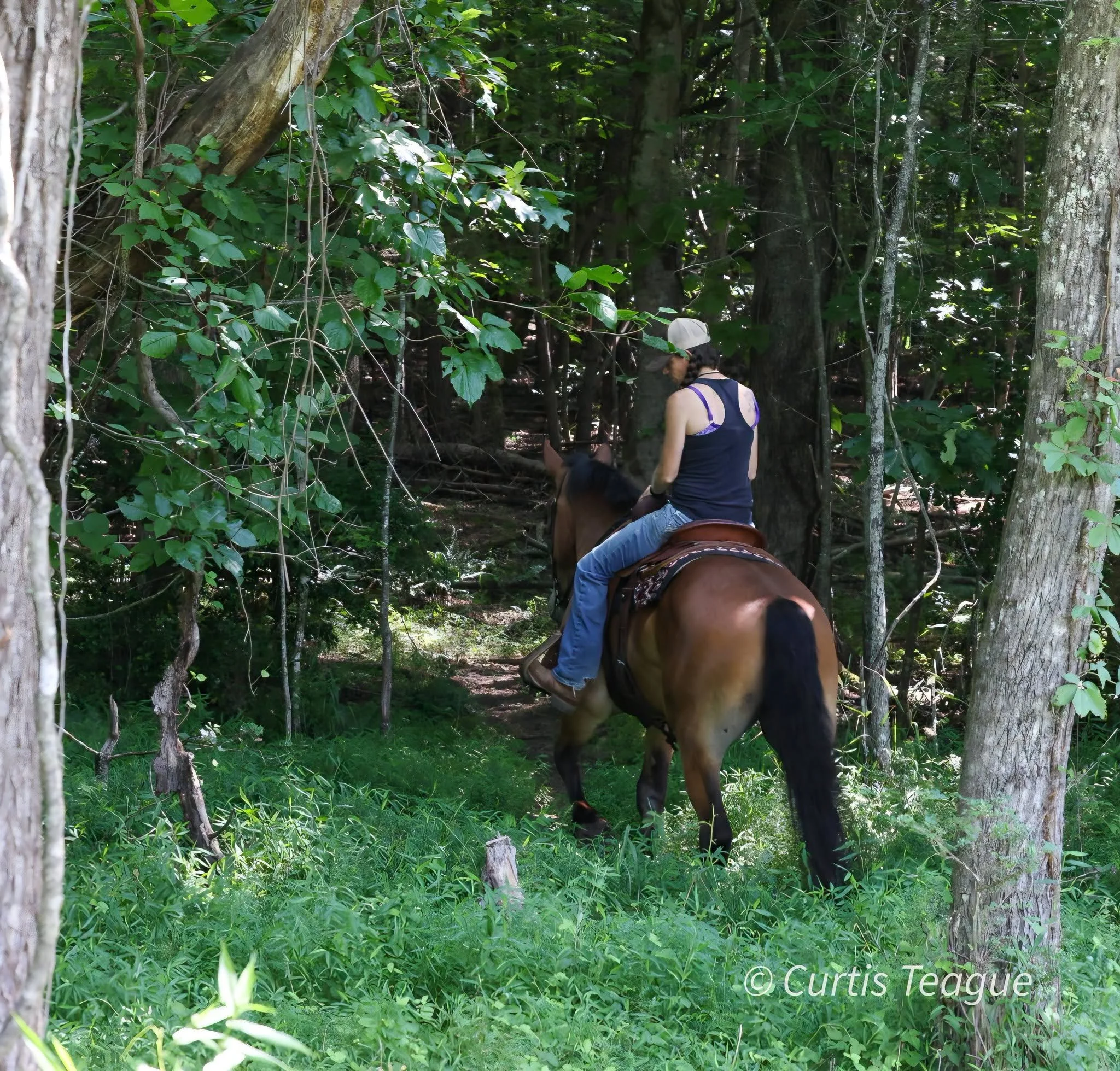
4. SPOTTED SADDLE HORSES: COMFORT WITH EYE-CATCHING COLOR
Spotted Saddle Horses often combine the comfort of a gaited trail horse with striking color. The best examples are smooth, sensible, and happy to spend the day on the trail.
Color should always come after temperament and training. We recommend choosing the safest match first, then enjoying the bonus of a beautiful coat pattern.
5. HAFLINGERS: STOUT, FRIENDLY FAMILY PARTNERS
Haflingers are compact, strong horses with enough substance to carry many adult riders. A well-trained Haflinger can be a fun family horse because of its manageable height, sturdy build, and friendly nature.
Some Haflingers can be energetic or strong-willed, so beginners should look for a mature horse with proven trail miles and respectful ground manners. The right individual can be an excellent confidence-building partner.
6. DRAFT CROSSES: SUBSTANCE, STABILITY, AND A QUIET PRESENCE
Draft crosses are often sought by taller or larger riders and by families who appreciate a solid, steady horse. Crossing a draft breed with a Quarter Horse, Paint, or gaited horse can produce a versatile partner with substance and a calm presence.
Consider mounting height, saddle fit, and the horse’s level of responsiveness. A large horse should still be easy to steer, stop, load, and handle from the ground.
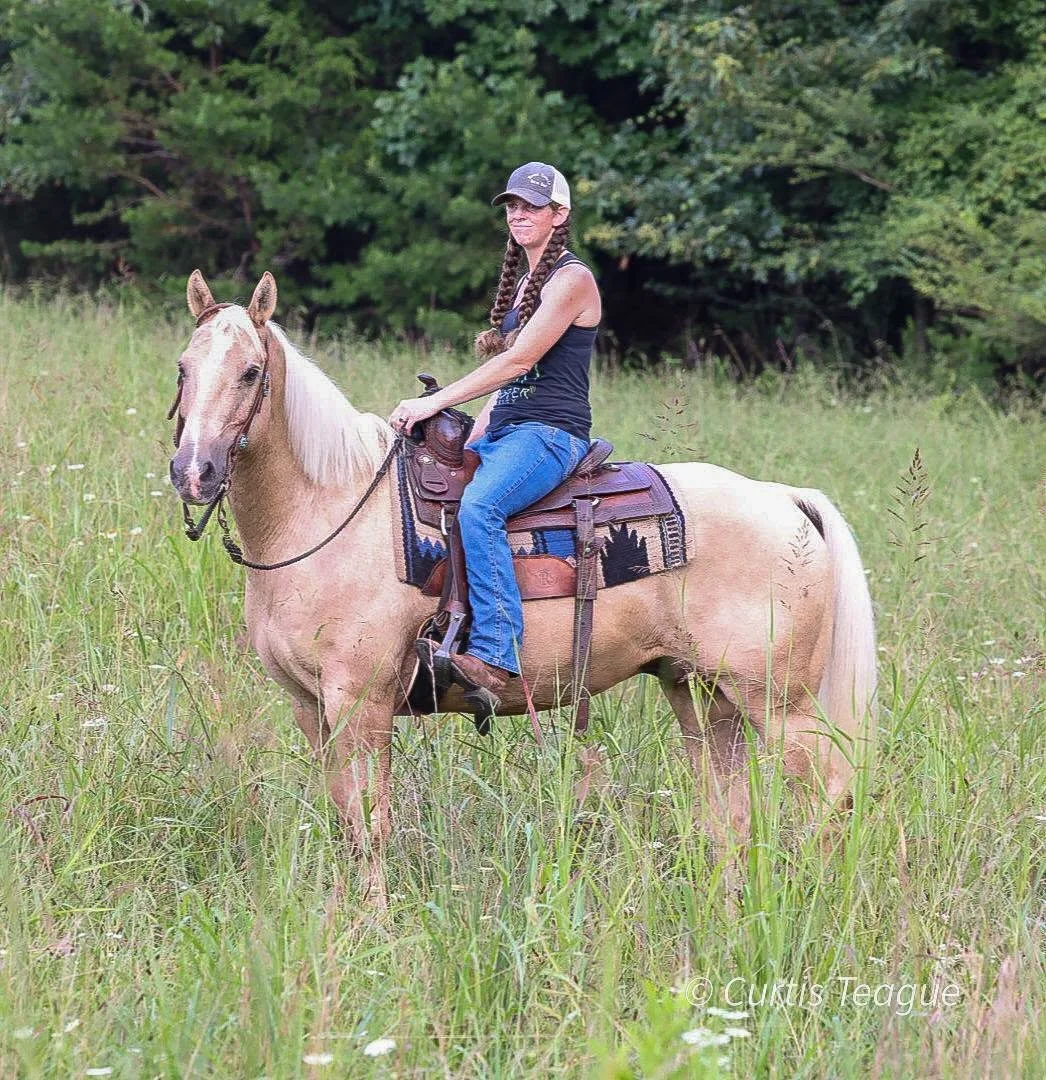
7. PAINT HORSES: COLORFUL, ATHLETIC, AND VERSATILE
Paint Horses share many qualities with Quarter Horses and can make excellent trail and family mounts. Their temperaments vary, so experience and training matter more than color. A quiet Paint with real-world exposure can be a dependable partner for recreational riding.
GAITED HORSE OR QUARTER HORSE: WHICH IS BETTER?
Neither is automatically better. The right answer depends on the rider.
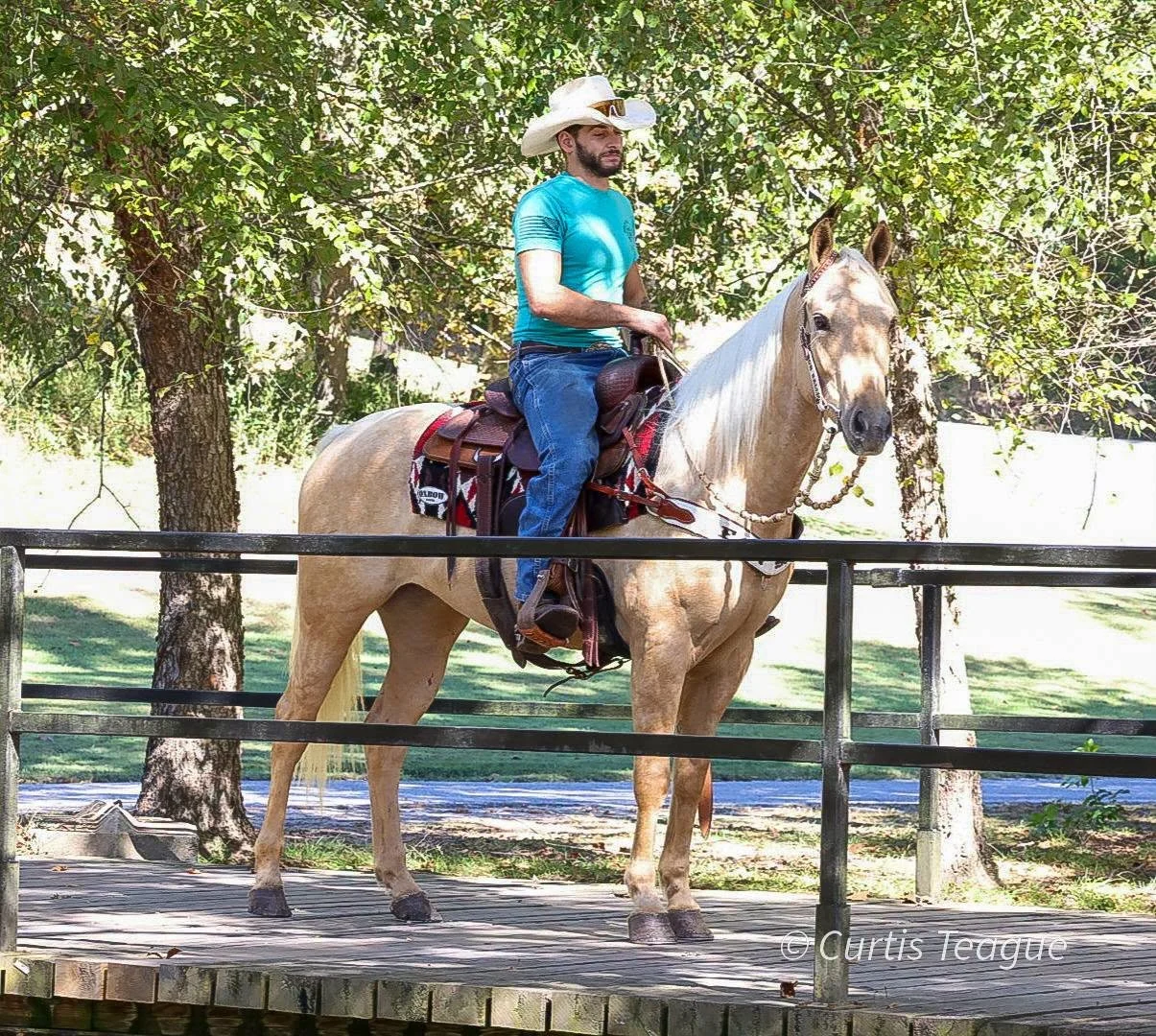
A gaited horse may be the better fit if comfort is your top priority, you enjoy long trail rides, or a traditional trot causes discomfort. A Quarter Horse or similar stock horse may be ideal if you prefer familiar walk-trot-canter movement, want an all-around horse, or plan to mix trail riding with arena work.
The safest choice is the horse whose pace, energy, responsiveness, and experience match your own.
THE BREED MATTERS LESS THAN THESE FIVE THINGS
1. Temperament. The horse should be consistent, forgiving, and appropriate for your confidence level.
2. Training. A safe trail horse should understand steering, stopping, standing, loading, and riding away from the barn.
3. Experience. Ask what the horse has actually done. Arena riding alone does not prove how a horse will react to water, traffic, wildlife, steep ground, or separation from a group.
4. Physical fit. Rider size, mobility, balance, mounting ability, and preferred saddle all affect the match.
5. Intended use. A weekend family horse needs a different energy level than a horse for fast group rides or competitive mileage.
QUESTIONS TO ASK BEFORE BUYING A TRAIL HORSE
• Has the horse been ridden alone and in groups?
• Will the horse lead, follow, and ride in the middle?
• How does the horse handle water, bridges, traffic, dogs, and wildlife?
• Does the horse stand quietly for mounting?
• Is the horse easy to catch, groom, saddle, load, and shoe?
• What happens when the horse becomes uncertain?
• Has the horse been ridden by someone with my experience level?
• Can I see current, unedited videos in realistic situations?
• What support or guarantee does the seller provide after the sale?
OUR APPROACH TO MATCHING RIDERS AND HORSES
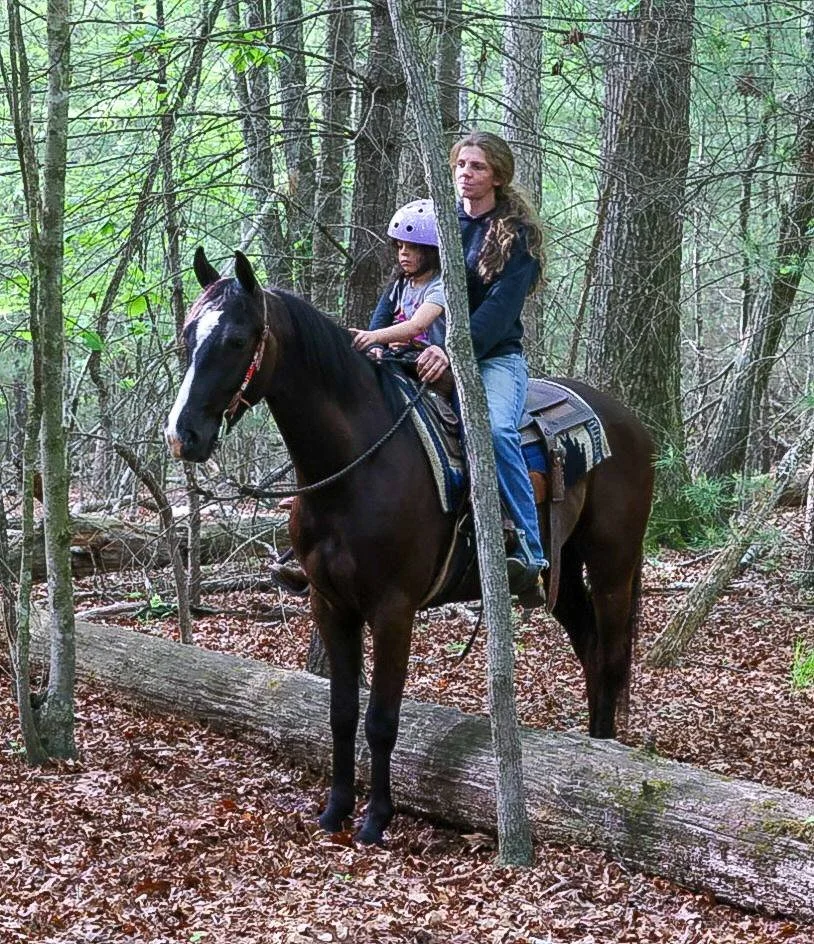
At A Step Above Stables, we start with the rider. We ask about experience, confidence, physical comfort, riding goals, and the kind of trails you plan to enjoy. Then we narrow the choices to horses that make sense for you.
Our horses are evaluated on real North Georgia terrain, and every horse we sell is backed by our exchange guarantee. Buyers visit us from Georgia, Florida, Tennessee, North Carolina, South Carolina, Alabama, and beyond. Nationwide delivery is available when the right horse is several states away.
Browse our current horses for sale at /horses, learn how we match riders at /how-we-match-riders, or read buyer experiences at /testimonials.
FREQUENTLY ASKED QUESTIONS
What is the best horse breed for a beginner trail rider?
A calm, experienced Quarter Horse, Tennessee Walking Horse, Spotted Saddle Horse, Haflinger, or mature draft cross can all work well. The individual horse’s temperament and training matter more than breed alone.
Are gaited horses good for beginners?
Yes, many are comfortable and forgiving, but gait does not guarantee safety. Look for a horse with reliable brakes, patient ground manners, and proven trail experience.
What size horse do I need?
Height is only part of the answer. The horse’s build, conditioning, saddle fit, and the rider’s balance and mobility all matter. A sturdy 14.2-hand horse may carry a rider more comfortably than a taller, lightly built horse.
How old should a beginner’s trail horse be?
There is no perfect age, but many beginners benefit from a mature horse with years of consistent experience. Proven behavior is usually more valuable than youth or potential.
READY TO FIND YOUR TRAIL HORSE?
The best trail horse is the one that makes you feel safe, comfortable, and excited to ride again. Tell us about your experience, your goals, and the kind of riding you want to do. We will help you find a dependable partner worth trusting.