
Bringing Your New Horse Home: What to Expect in the First 30 Days
A practical guide to helping your new horse settle in, build trust, and become part of the family
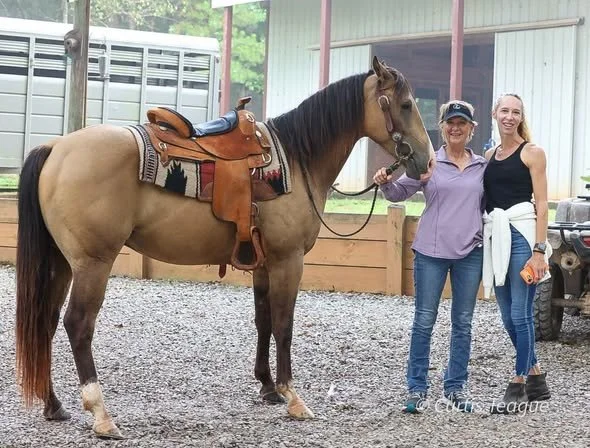
(Delivery Day)
Bringing home a new horse is exciting. You have probably spent weeks—or even months—looking at horses, asking questions, watching videos, arranging transportation, and imagining that first ride at home.
Then the trailer pulls into the driveway.
Suddenly, everything is new.
A new barn. New horses. New people. New feed. New trails. New sounds. New routines.
And while you may already feel like you know your new horse, your horse still needs a little time to learn that this new place is home.
At A Step Above Stables, we want buyers to understand that the first few days and weeks with a new horse are an adjustment period—not a test.
A good horse doesn't suddenly stop being a good horse because he looks around more than usual, calls for another horse, feels a little different under saddle, or needs time to settle into a completely new environment.
Giving your horse a fair start can make a tremendous difference in the relationship you build together.
The Horse You Bought Is Still the Same Horse
One of the most important things to remember is simple:
Changing locations does not change who a horse is—but it can temporarily change how he acts.
Think about everything that may have changed for him in one day.
He may have left horses he knew, traveled several hours in a trailer, arrived at a property he has never seen, been placed in a different stall or pasture, met unfamiliar horses, and started learning an entirely new routine.
That's a lot.
Even an experienced, seasoned trail horse may be more alert during those first few days.
A horse that stood quietly at our barn may walk around his new pasture checking everything out. A horse that rode relaxed down our North Georgia trails may initially be more interested in looking at the neighbor's cows, a new barn, or horses calling from another field.
That doesn't necessarily mean anything is wrong.
It means he's a horse learning a new environment.
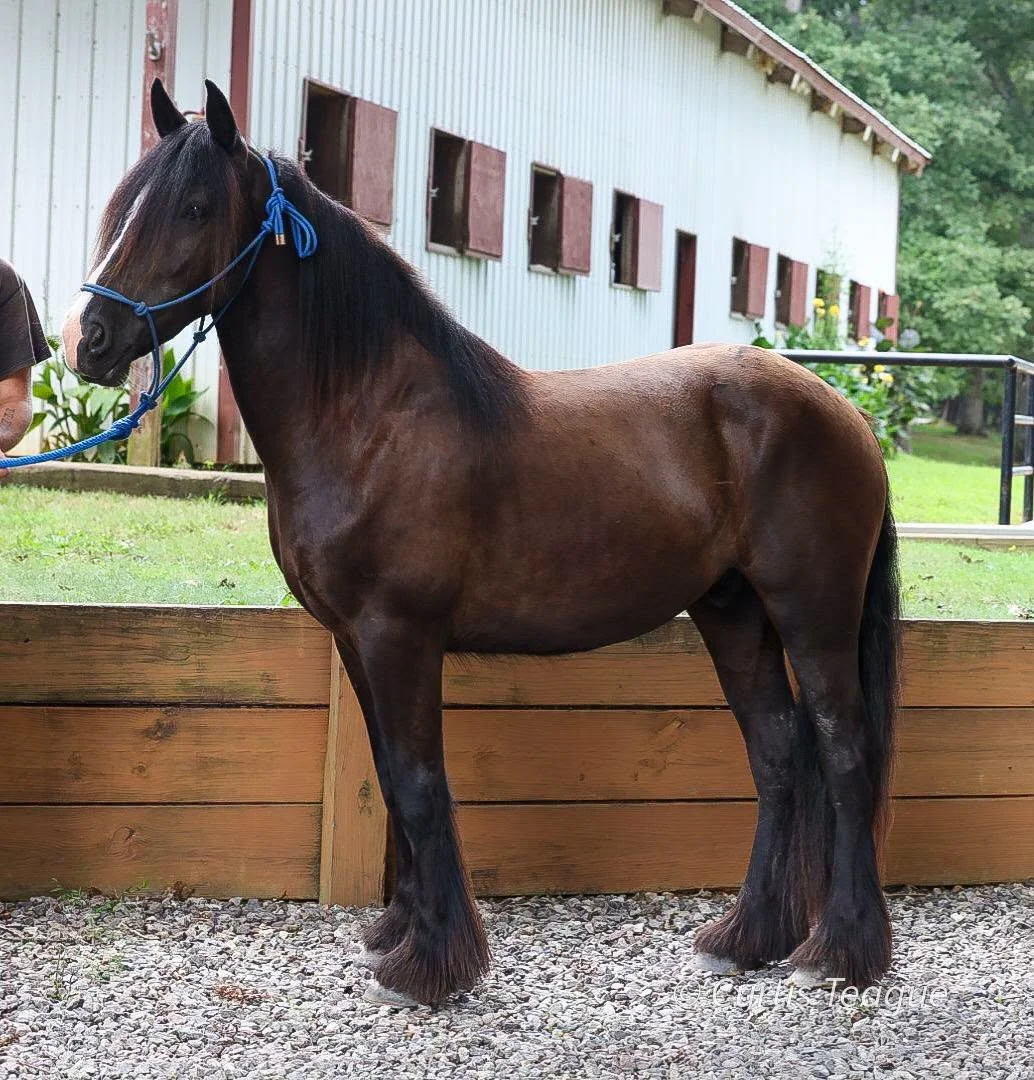
(Shadow, Gorgeous eh?)
The First Few Days: Give Him a Chance to Settle
There is no prize for seeing how much you can do with your new horse in the first 24 hours.
You don't need to immediately introduce him to every horse on the property, take him on your hardest trail, haul him somewhere else, and invite six friends over to ride him.
Start simple.
Let him see his surroundings. Establish where his water is. Let him learn when feeding time happens. Spend some quiet time grooming him, leading him around, and allowing him to become familiar with you.
Routine helps horses settle.
The sooner your horse understands, this is where I eat, this is where I drink, these are my people, and this is what happens every day, the sooner his new environment begins to feel normal.
That doesn't mean you can't ride him. Many horses settle beautifully and are perfectly comfortable being ridden soon after arriving.
The point is simply this:
Don't turn the first few days into a test he doesn't know he's taking.
Keep His Routine as Familiar as Possible
If possible, find out what your horse has been eating before he comes home.
Sudden changes in hay, grain, turnout, and routine can be harder on a horse than people realize.
When changing feed, it's generally better to make changes gradually rather than switching everything overnight. Your veterinarian or equine nutrition professional can help you determine the right feeding program for your horse once he's home.
Water is equally important.
Make sure your new horse knows where his water is and is drinking normally, especially after transportation.
If he isn't eating, isn't drinking, appears uncomfortable, or you're concerned about his health, that's the time to contact your veterinarian rather than assuming it's simply an adjustment issue.
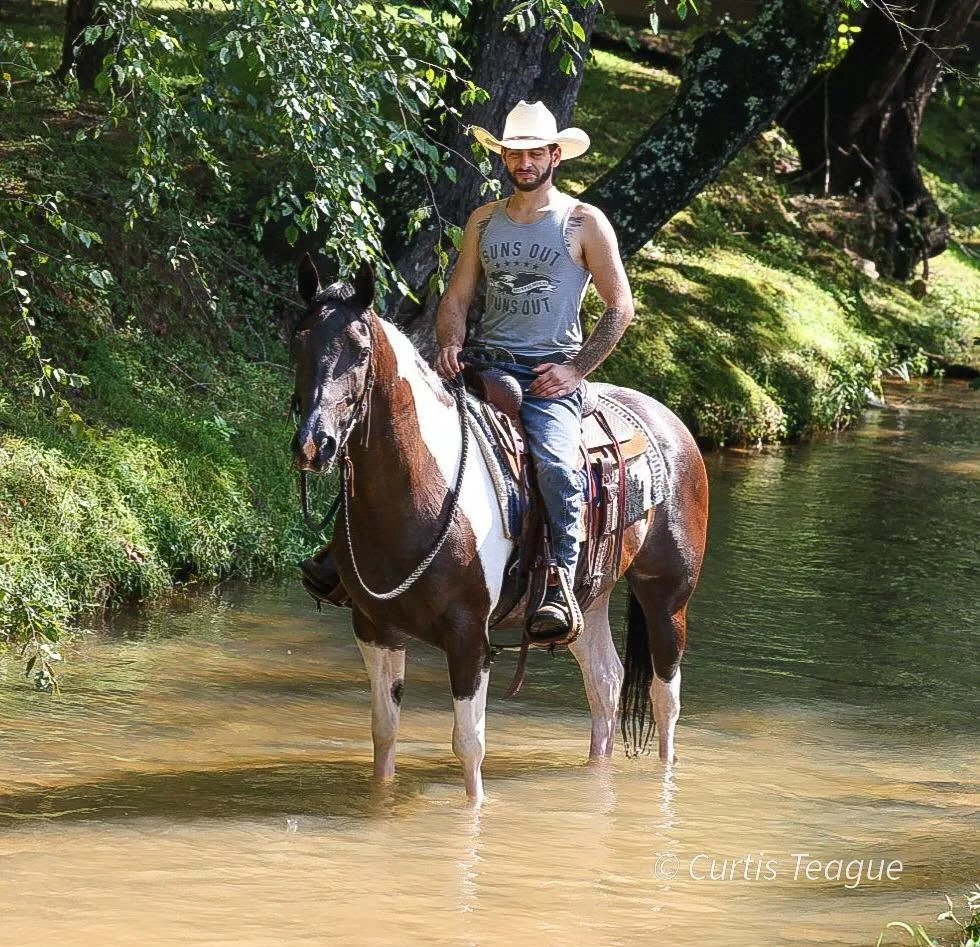
(Water break on this hot summer day)
Introducing Your New Horse to Other Horses
Everybody wants their new horse to make friends.
Your horse usually does, too.
But that doesn't mean introductions need to happen all at once.
Every farm is different, and how you introduce a new horse depends on your fencing, pasture setup, herd dynamics, and the individual horses involved.
Whenever possible, allowing horses to see and become familiar with one another safely before immediately turning a newcomer into an established herd can make the transition easier.
There may be squealing.
There may be sniffing.
There may be some posturing.
That's part of horses figuring one another out.
What matters is using good judgment and providing a safe environment for the introduction.
Don't Spend the First Week Trying to "Test" Your Horse
This is one of the biggest mistakes new owners can make.
You bought a horse because you liked what you saw.
Now give that horse a chance to show you the same qualities at home.
We sometimes see people unintentionally change everything about the horse's situation and then immediately start asking:
"Will he do this?"
"What if I try this?"
"Let's see how he reacts to this."
"I wonder what happens if I take him away from every other horse on the property right now?"
Instead of continually testing your new horse, start building a relationship with him.
Ride normally.
Handle him normally.
Ask reasonable things.
Be consistent.
You are learning each other.
You don't need to manufacture difficult situations to find out whether your horse can handle them.
Your First Rides at Home
Your first ride doesn't need to be an expedition.
Choose an environment where you feel comfortable.
Let your horse look around.
Walk him.
Do some simple steering.
Stop.
Back.
Trot if you're comfortable.
Feel how he responds to you.
Remember that you are different from the person who was riding him before.
Your hands are different.
Your legs are different.
Your balance is different.
Your timing is different.
Even an extremely well-trained horse has to learn your cues.
Give yourselves the opportunity to figure one another out instead of expecting perfect communication during ride number one.
A Safe Horse Can Still Look at Something New
"Safe" does not mean a horse becomes a machine.
Horses notice things.
A mailbox he has never seen before may catch his attention. So might a neighbor's goat, a tarp blowing in the wind, deer coming through the woods, a tractor, or a horse calling from another pasture.
What you're looking for isn't a horse that never notices anything.
You're looking for a horse that can process what he sees, listen to his rider, and come back to you.
That's an important distinction.
Experienced horses have learned how to handle new situations, but they still have eyes, ears, and instincts.
Give your horse the opportunity to learn what "normal" looks like at your farm.
The First Week Is About Familiarity
By the end of the first week, many horses are beginning to understand the new program.
They recognize feeding time.
They know their stall or pasture.
They know where their buddies are.
They've started recognizing you.
This is a great time to begin establishing the routine you ultimately want.
If you're primarily a trail rider, start incorporating comfortable trail rides.
If you plan to ride around your property, begin showing him those areas.
If you ride Western and English, gradually introduce the tack and routine you'll normally use.
Consistency matters more than trying to accomplish everything immediately.
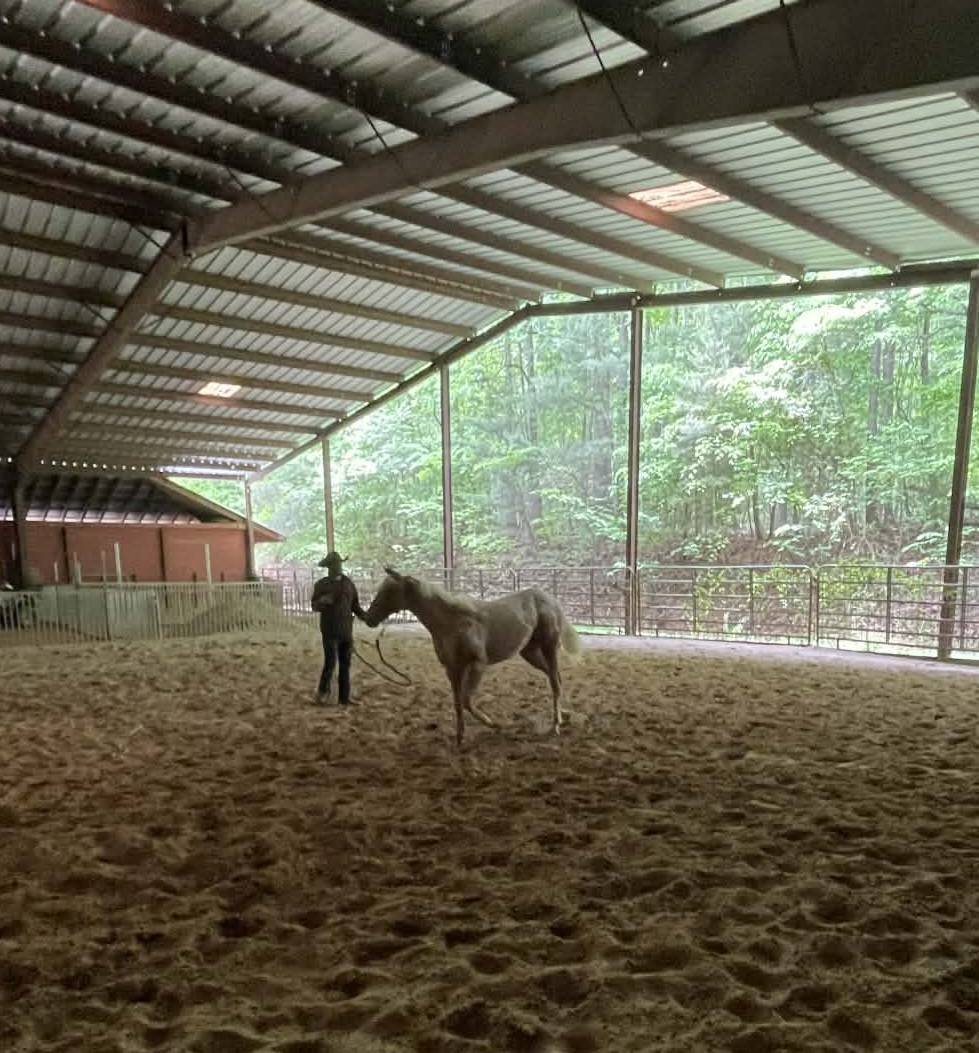
(Training before delivery)
Weeks Two Through Four: Start Building Your Normal Life Together
Once your horse has had some time to become familiar with his surroundings, you can start expanding what you do together.
This is where the partnership begins to develop.
Your horse starts learning your expectations, and you start learning the little things about him.
Maybe you discover that he loves having his neck scratched after a ride.
Maybe he walks faster heading away from the barn than you expected.
Maybe he prefers one mounting block over another.
Maybe he likes being first on the trail—or would rather follow.
These little details are part of learning your horse.
By weeks two, three, and four, the goal isn't to have everything perfected.
The goal is to have communication, consistency, and confidence moving in the right direction.
Don't Compare Every Ride to a Sales Video
Videos are tremendously helpful when buying a horse, especially if you're purchasing from a distance.
But don't fall into the trap of replaying the sales video in your head every time you ride.
"He didn't do that in the video."
Of course not.
The video was filmed somewhere he knew, with a rider he knew, during a ride that happened before his entire world changed.
Instead, look at the bigger picture.
Is he listening?
Is he learning?
Are you communicating better?
Are you becoming more comfortable together?
Is he settling into the routine?
That's what matters.
Confidence Goes Both Ways
People talk a lot about building a horse's confidence.
Your confidence matters too.
If you purchased a horse specifically because you wanted something safe and confidence-building, don't immediately put yourself in situations that make you nervous.
Start where you're comfortable.
Have a knowledgeable friend or trainer nearby if that helps you.
Ride in an enclosed area first if that's what makes you feel secure.
Then expand from there.
A good match should help you become more confident over time, not make you feel like you need to prove something on day one.
When Should You Be Concerned?
There's a difference between a horse adjusting to a new environment and a situation that needs attention.
A little extra looking, calling, or nervous energy can be part of adjusting.
But significant changes in eating or drinking, signs of pain or illness, persistent unusual behavior, or anything that makes you genuinely concerned should be addressed appropriately.
Call your veterinarian for health concerns.
And if you bought your horse from us and you're unsure about something, call us.
We would much rather have a customer ask a question than sit at home worrying.
Give the Relationship Time
Buying the horse is only the beginning.
Some horse-and-rider partnerships click almost immediately.
Others develop over several weeks.
And some of the best relationships take months to fully develop.
That's okay.
You don't need to know everything about your horse in the first weekend.
Your horse doesn't need to know everything about you either.
Give him consistency.
Give him clear expectations.
Give him fair corrections when they're needed.
Give him praise when he gets it right.
And most importantly, give the partnership enough time to grow.
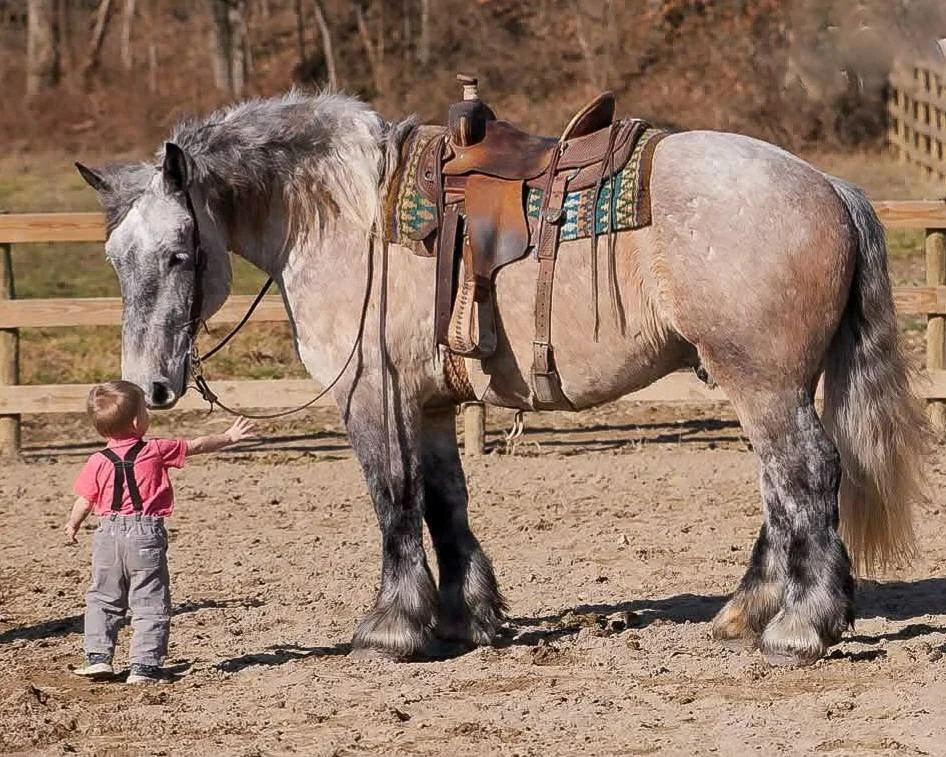
(Best gentle boys)
We're Here After the Sale, Too
At A Step Above Stables, selling the horse isn't where our responsibility ends.
We've been helping riders find horses since 1996, and one of the most important parts of matching horses and riders is helping people understand what happens after that horse arrives home.
We want you to succeed with your horse.
We want you to enjoy riding.
And we want the horse you take home to become the horse you hoped he would be.
That's why we encourage buyers to ask questions, come ride horses in person whenever possible, watch the videos, talk with us about their experience level, and choose the horse that's truly the right fit.
A good horse deserves a good home.
And a good horse-and-rider partnership deserves a fair beginning.
Don't judge your entire future together by day one.
Give yourselves a little time.
You may be surprised how quickly your new horse starts feeling like he's always belonged there.
Have questions? We'd love to help you find the right horse.
New to buying? Read how buying from us works — guarantee, test rides, and all.