
Everything you need to know about keeping your horse healthy, comfortable, and happy during the colder months
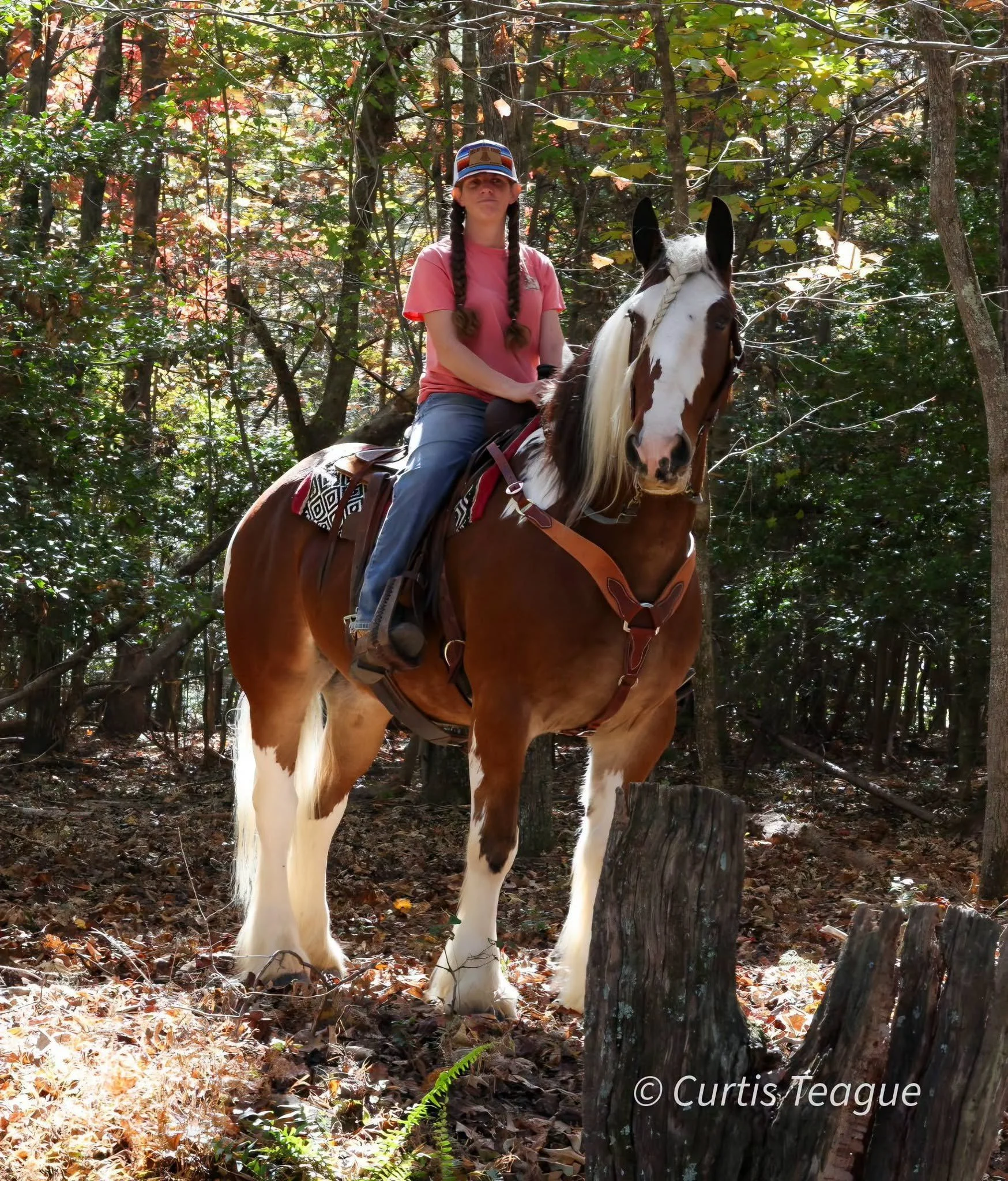
(Yolo enjoying a crisp fall trail ride)
There's something special about owning a horse when the seasons begin to change.
The mornings get cooler, the leaves start falling, and those long summer trail rides turn into peaceful afternoons in the crisp mountain air.
But if you're getting ready for your first winter as a horse owner, you probably have a few questions.
Does my horse need a blanket? Should I feed more hay? Can I still ride when it's cold? And what happens when temperatures drop below freezing?
These are questions we hear from new horse owners, particularly families bringing home their first horse during the fall and winter months.
At A Step Above Stables in Blairsville, Georgia, we've been helping families and riders find dependable horses since 1996. And while finding the right horse is important, knowing how to care for that horse is just as essential.
The good news?
Winter horse care doesn't have to be complicated.
With a little preparation, a consistent routine, and an understanding of what your horse needs, the colder months can be some of the most enjoyable times to own a horse.
Here's what every first-time horse owner should know.
1. Fresh Water Is One of the Most Important Parts of Winter Horse Care
When people think about caring for horses during winter, they usually think about blankets, shelter, and feeding.
But one of the biggest concerns is something much simpler.
Water.
Horses need access to clean, fresh water throughout the year, even when temperatures drop.
In fact, winter can create additional challenges because horses often receive more dry hay and less moisture from fresh pasture.
According to the University of Minnesota Extension, a typical 1,000-pound adult horse generally needs at least 10–12 gallons of water daily, although individual requirements vary.
When horses don't drink enough, their risk of dehydration and certain types of colic increases.
During cold weather, make sure your horse's water isn't frozen and remains appealing to drink.
Heated water buckets or properly installed trough heaters can be useful, particularly when temperatures fall below freezing.
Check electrical equipment regularly, and never assume a heated trough is working simply because it is plugged in.
Our advice: Make checking your horse's water part of your daily routine. It's one of the simplest things you can do to protect your horse's health.
2. Good-Quality Hay Helps Horses Stay Warm
Here's something many new horse owners don't realize.
A horse's digestive system plays an important role in helping maintain body temperature.
As horses digest forage, microbial fermentation produces heat.
That's one reason adequate hay is so important during cold weather.
When temperatures drop, some horses require additional forage to maintain their body condition and energy needs.
However, that doesn't mean every horse automatically needs more grain.
A horse with a healthy winter coat, adequate shelter, and good body condition may have very different nutritional requirements from an older horse, a thin horse, or one exposed to severe weather.
The important thing is to watch your individual horse.
Is he maintaining his weight? Is he eating normally? Does he seem comfortable and energetic?
If you're unsure how much to feed, your veterinarian or equine nutrition professional can help you establish an appropriate winter feeding program.
Remember: Good winter feeding isn't about giving every horse the same amount. It's about making sure your horse receives what he needs.
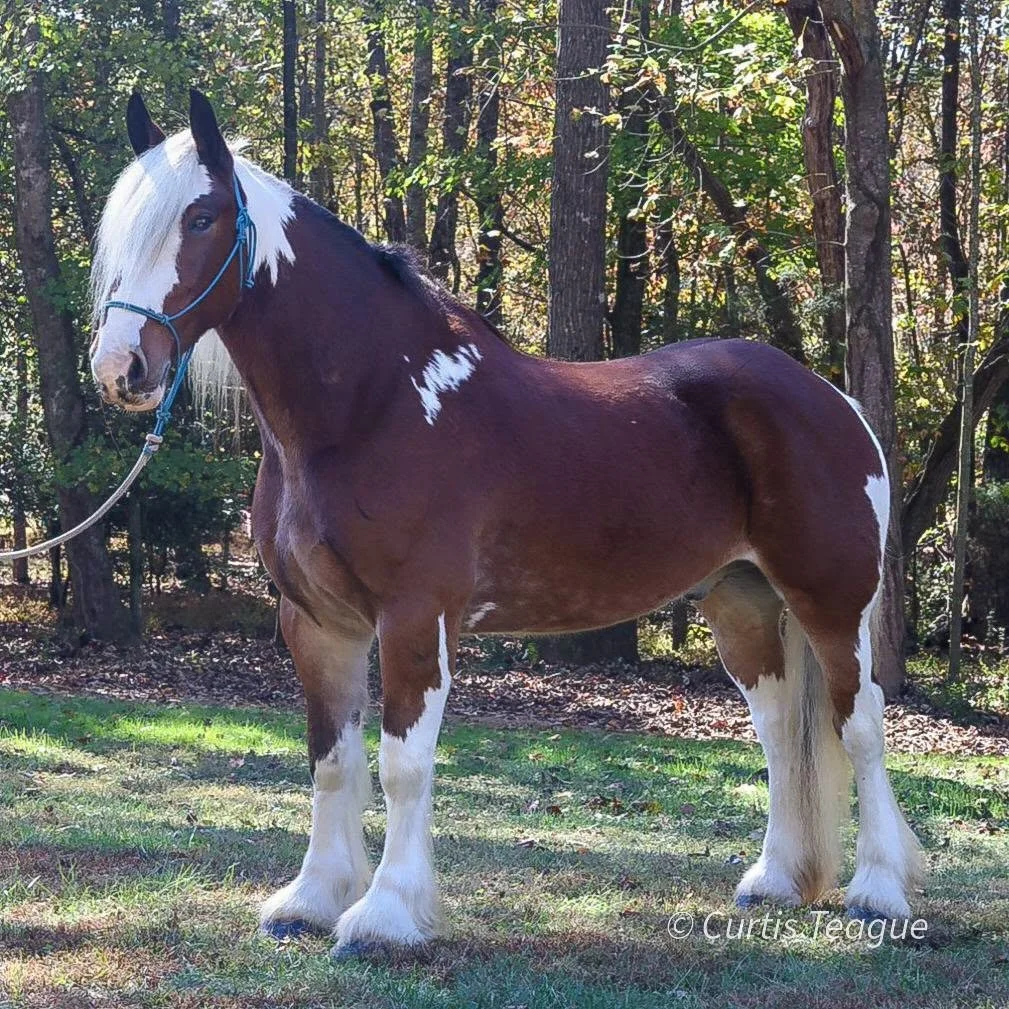
(Good body condition matters heading into winter)
3. Shelter Matters More Than Many Beginners Realize
Horses are remarkably adaptable animals.
A healthy horse with a good winter coat can tolerate cold temperatures that might send the rest of us running indoors.
But cold temperatures aren't the only concern.
Wind, rain, moisture, and muddy conditions can make winter considerably more uncomfortable.
That's especially important here in the North Georgia mountains, where winter weather can change quickly.
A dry run-in shelter, barn, or other suitable protection from wind and precipitation gives your horse somewhere to escape unpleasant conditions.
Shelter should also have adequate ventilation.
A completely closed barn with poor airflow can create respiratory problems when dust, moisture, and ammonia accumulate.
The goal isn't necessarily to keep your horse in a heated building.
It's to provide a safe, dry environment where he can rest comfortably.
4. Does Your Horse Actually Need a Winter Blanket?
This is probably one of the most common questions new horse owners ask.
And the answer might surprise you.
Not every horse needs a blanket.
Many healthy horses grow a thick winter coat that provides natural insulation.
In fact, a horse that's comfortable outdoors may not appreciate being bundled up simply because the temperature feels cold to us.
However, certain horses may benefit from blanketing, particularly those that are older, underweight, clipped, unaccustomed to cold weather, or exposed to wet and windy conditions.
The individual horse and weather conditions matter more than any single temperature.
If you decide to blanket your horse, make sure the blanket fits correctly and is appropriate for the conditions.
Remove it regularly to check for rubbing, skin problems, changes in body condition, or signs of overheating.
And remember that a wet or poorly fitted blanket can create problems rather than solve them.
When in doubt, ask your veterinarian what makes sense for your horse.
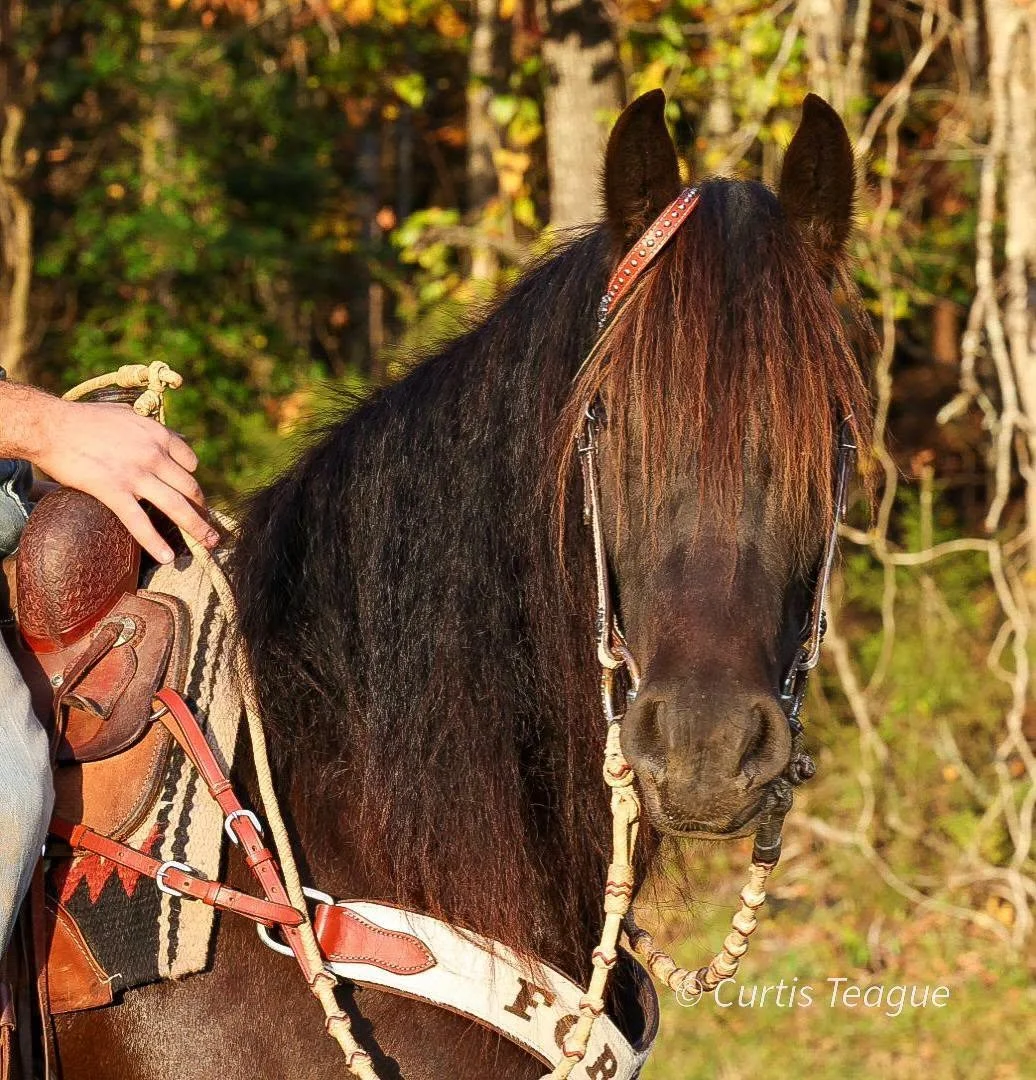
(Rambler, ready for cooler mountain weather)
5. Don't Forget About Hoof Care During Winter
Winter often brings mud, slippery ground, and changing trail conditions.
And those conditions can affect your horse's feet.
Regular hoof cleaning remains important throughout the colder months.
Mud can hide problems, while frozen ground and ice can create slipping hazards.
Even if you're riding less frequently, your horse still needs regular farrier care.
Hooves continue growing throughout winter, although growth may slow.
Work with your farrier to maintain an appropriate trimming or shoeing schedule.
Before riding, check the footing around your barn, pasture gates, and trails.
A normally dependable trail horse can still slip on an icy or unstable surface.
Good judgment about footing protects both horse and rider.
6. Keep an Eye on Your Horse's Weight and Overall Health
One of the challenges of winter horse ownership is that a thick winter coat can hide changes in body condition.
A horse may look round and healthy from a distance while gradually losing weight underneath that coat.
That's why it's important to evaluate your horse regularly rather than relying on appearance alone.
Pay attention to his body condition, appetite, energy, and normal behavior.
Older horses and those with dental problems or other health concerns may require additional attention.
Your veterinarian can recommend an appropriate health-care schedule, including dental care, vaccinations, parasite management, and nutrition.
You should also know what is normal for your horse.
If he suddenly stops eating, shows signs of abdominal discomfort, becomes unusually lethargic, or appears ill, contact your veterinarian promptly.
Recognizing changes early is an important part of responsible horse ownership.
7. Can You Still Go Trail Riding During Winter?
Absolutely.
For many riders, winter is one of the most enjoyable times to get outside.
The trails are often quieter, the air is cooler, and the North Georgia mountains offer a completely different riding experience.
But winter riding requires a little extra planning.
Start by considering the conditions.
Wet leaves can hide rocks and holes. Frozen ground may be harder than it looks. Muddy slopes can become slippery, even for a sure-footed horse.
Choose trails appropriate for your horse's fitness and experience.
Remember that a horse ridden less frequently during winter may need time to rebuild conditioning before returning to longer or more demanding rides.
Allow adequate warm-up time, monitor your horse for fatigue, and cool him down properly after exercise.
A horse with a heavy winter coat may sweat during a ride, even in cold weather.
Before leaving him outside, make sure he's appropriately cooled down and isn't remaining wet and chilled.
Above all, don't feel obligated to ride simply because you planned to.
There's always another day.
And sometimes the best decision a rider can make is knowing when the trail conditions aren't worth the risk.
8. Bringing Home a New Horse During Winter
If you're purchasing a horse during the colder months, there's one additional consideration.
Your horse is adjusting to more than just the weather.
He's learning a new home.
New people. New horses. New feeding routines. New surroundings.
Even an experienced trail horse may need time to become comfortable in an unfamiliar environment.
Try to maintain a familiar feeding routine initially, and introduce necessary dietary changes gradually with professional guidance.
Make sure your horse has immediate access to suitable shelter, forage, and fresh water.
Give him a chance to settle in before expecting him to handle every new situation perfectly.
We discuss this process in greater detail in our article, Bringing Your New Horse Home: What to Expect in the First 30 Days.
A little patience during the adjustment period can make a tremendous difference.
And if you're purchasing a horse as a Christmas gift, preparation is even more important.
Your fencing, shelter, hay, equipment, veterinary arrangements, and daily care plan should be ready before the horse arrives.
A horse may make a wonderful Christmas surprise, but responsible ownership begins well before Christmas morning.
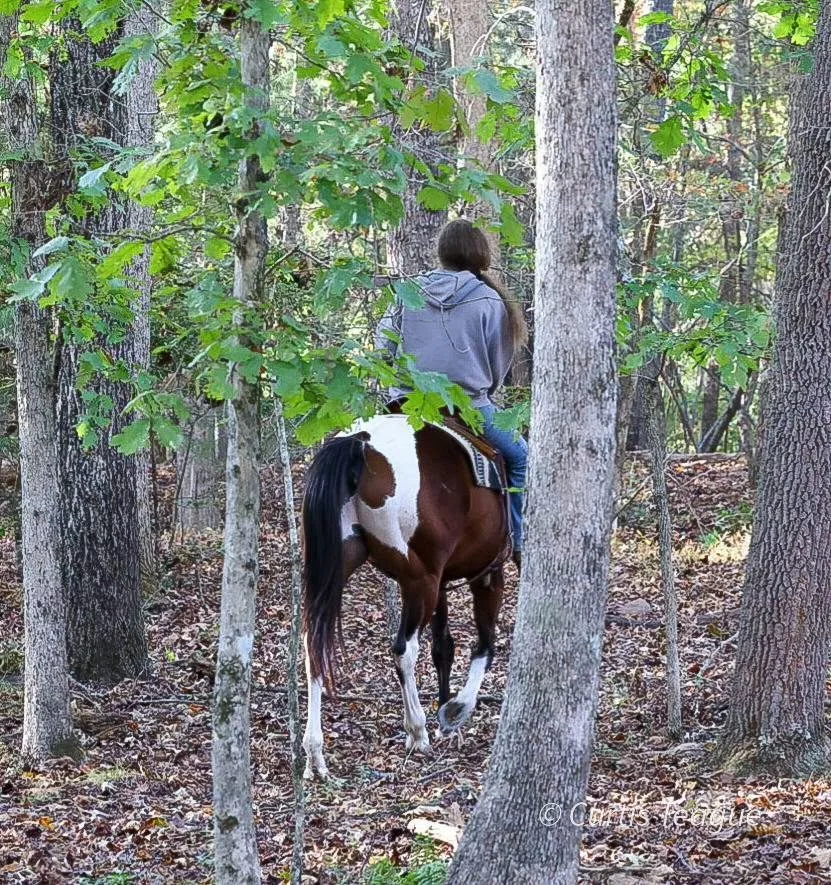
(Rooster on a quiet fall trail)
9. The Best Winter Horse Care Routine Is a Consistent One
You don't need an elaborate barn or expensive equipment to be a responsible horse owner.
But you do need consistency.
Make time each day to check your horse's water, forage, body condition, shelter, and general behavior.
Look for hazards around gates, fences, and high-traffic areas.
Keep up with hoof care and routine veterinary needs.
Most importantly, spend time with your horse.
Winter doesn't have to mean putting your relationship on hold until spring.
Grooming, leading, quiet groundwork, and spending time together can help strengthen your partnership even when riding conditions aren't ideal.
For new horse owners, those everyday moments are part of what makes horse ownership so rewarding.
Frequently Asked Questions About Winter Horse Care
Can horses stay outside during winter?
Yes. Many healthy horses can live outdoors throughout winter when they have adequate forage, fresh water, appropriate shelter, and suitable conditions. Their individual health, coat, body condition, and local weather should guide management decisions.
Do horses need blankets in Georgia?
Not necessarily. Many healthy, acclimated horses with full winter coats do well without blankets. Older, thin, clipped, or vulnerable horses may need additional protection, especially during cold, wet weather.
Do horses need more hay in winter?
Some do. Horses may require additional dietary energy during cold weather, particularly when temperatures fall below the level at which they can comfortably maintain body heat. Adjust feeding based on body condition, environment, and veterinary or nutritional guidance.
Is winter a bad time to buy your first horse?
Not at all. Winter can be a perfectly reasonable time to purchase a horse, provided you're prepared for the responsibility. The most important thing is finding a horse whose temperament, training, experience, and physical characteristics fit your needs.
Can beginners ride horses during winter?
Yes, provided the horse and rider are appropriately matched and the weather, footing, and riding conditions are suitable. An experienced, dependable trail horse and knowledgeable instruction can make a tremendous difference for someone just getting started.
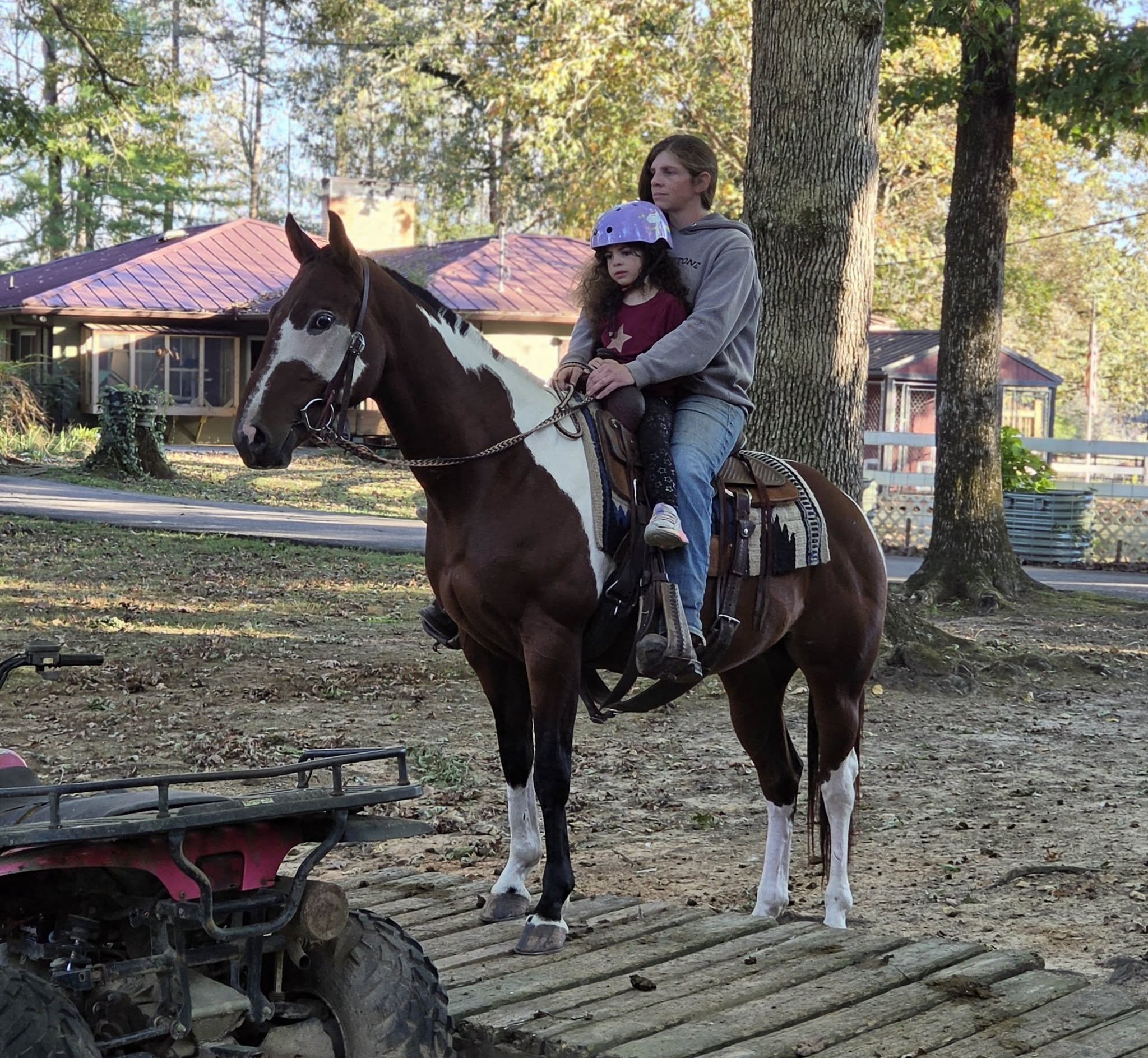
(Rooster taking care of his youngest rider)
Finding the Right Horse Makes Every Season Better
At A Step Above Stables, we believe that buying a horse should be the beginning of something special.
Since 1996, our family-owned stable in Blairsville, Georgia, has helped riders of all experience levels find dependable horses suited to their needs.
Whether you're searching for your first trail horse, a gentle family companion, or a confidence-building horse to help you get back in the saddle, we're here to help.
We carefully match horses with riders based on experience, confidence, riding goals, and temperament.
Our horses are trail-tested, every horse we sell is backed by our exchange guarantee, and nationwide delivery is available.
We also offer flexible payment plans to help buyers find the right horse for their circumstances.
The right horse isn't just the one you enjoy riding on a beautiful summer afternoon. It's the one that fits your life throughout the year.
If you're thinking about buying a horse this winter, we'd love to hear from you.
A Step Above Stables
Blairsville, Georgia
Family-owned since 1996
Call Curtis: (706) 745-9051
Browse our current horses for sale, or contact us to discuss what you're looking for.
Your next great riding partnership might be closer than you think.