
A parent's guide to finding a calm, safe, well-trained horse your child can grow up with
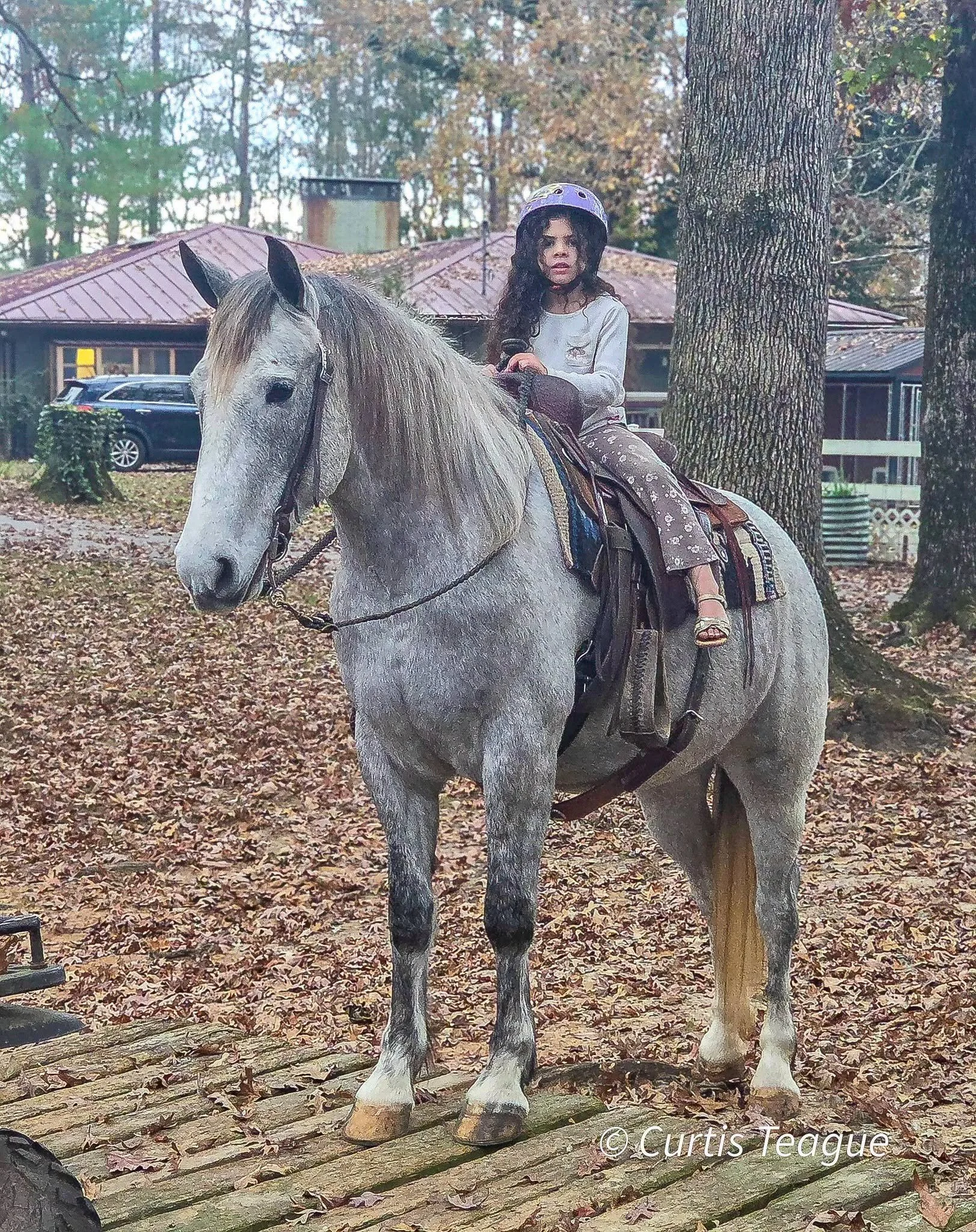
(Smiley Face with one of our youngest riders)
Few things light up a child's face like a horse.
Maybe your son or daughter has been taking lessons for a year. Maybe they've been drawing horses since kindergarten. Or maybe you're thinking about a horse under the tree this Christmas and want to get it right the first time.
Whatever brought you here, one question matters more than any other:
Is this horse truly safe for my child?
At A Step Above Stables in Blairsville, Georgia, we've been matching families with horses since 1996. Our own grandkids ride the horses we sell, so "kid-safe" isn't a sales phrase to us. It's the standard we hold ourselves to.
This guide walks you through what actually makes a horse safe for a child, what to look for when you go see one, and the questions every parent should ask before buying.
1. Temperament Comes First, Always
Color, breed and looks are fun, but they come second. The single most important trait in a child's horse is a calm, forgiving temperament.
A kid-safe horse:
Stays relaxed when something unexpected happens
Recovers quickly instead of spinning or bolting
Tolerates the bumps, loose reins and wobbly balance that come with young riders
Is curious and friendly on the ground rather than pushy or nervous
Kids make mistakes. They pull on the wrong rein, kick when they mean to squeeze, and get excited at the wrong moment. The right horse shrugs it off.
2. Age Matters, but Mind Matters More
Many parents are told to buy a horse in its teens, and there's good reason for that. Older horses have usually seen it all.
But age alone doesn't make a horse safe. We've met 15-year-olds that are still hot and reactive, and young horses with an old soul. Our mare Smiley Face is a good example: she's 4 years old and acts like she's 15.
What matters is how the horse behaves today, with real experience behind it. Ask what the horse has done, not just how old it is.
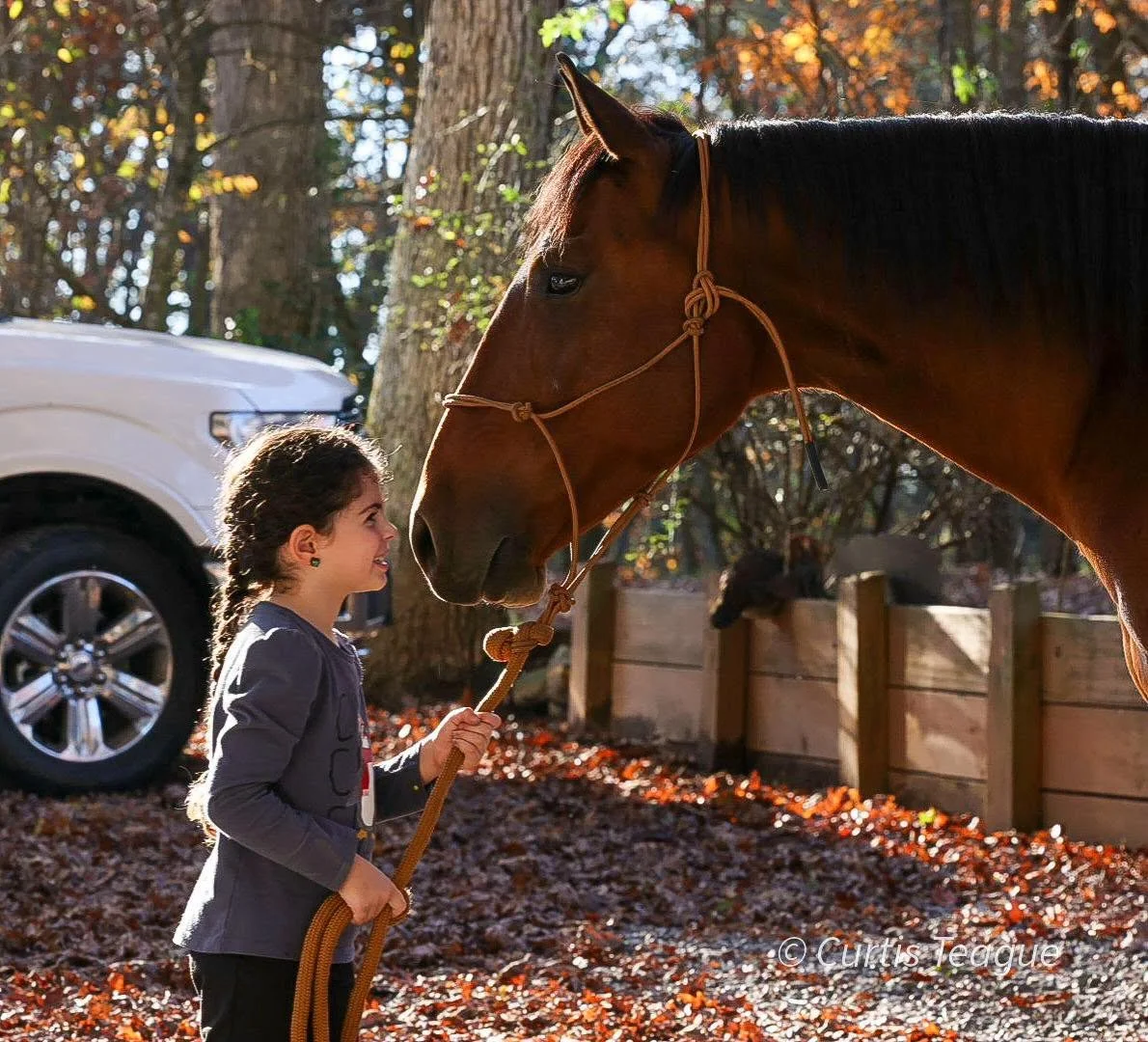
(Pistol Pete meeting a young friend)
3. Bigger Isn't Scarier, and Smaller Isn't Always Safer
It's natural to assume a small pony is the safest choice for a small child. Sometimes it is. But ponies can also be clever and opinionated, and some have learned exactly how to get out of work.
On the other hand, a quiet draft or draft cross can be one of the gentlest mounts a family will ever own. Their size can look intimidating, but many have a slow, steady nature that is perfect for nervous beginners. A bigger horse can also carry a parent and child together, which is a great way to start little ones.
Choose the horse's mind first, then make sure the size is manageable for your child to groom, lead and mount with help.
4. Ground Manners Matter as Much as Riding
Children spend a lot of time around a horse on the ground: brushing, leading, feeding and picking hooves. A kid-safe horse should:
Lead quietly without dragging or crowding
Stand still to be groomed and saddled
Pick up its feet politely
Respect personal space and never nip or kick
Watch how the horse acts in the barn and the pasture, not just under saddle.
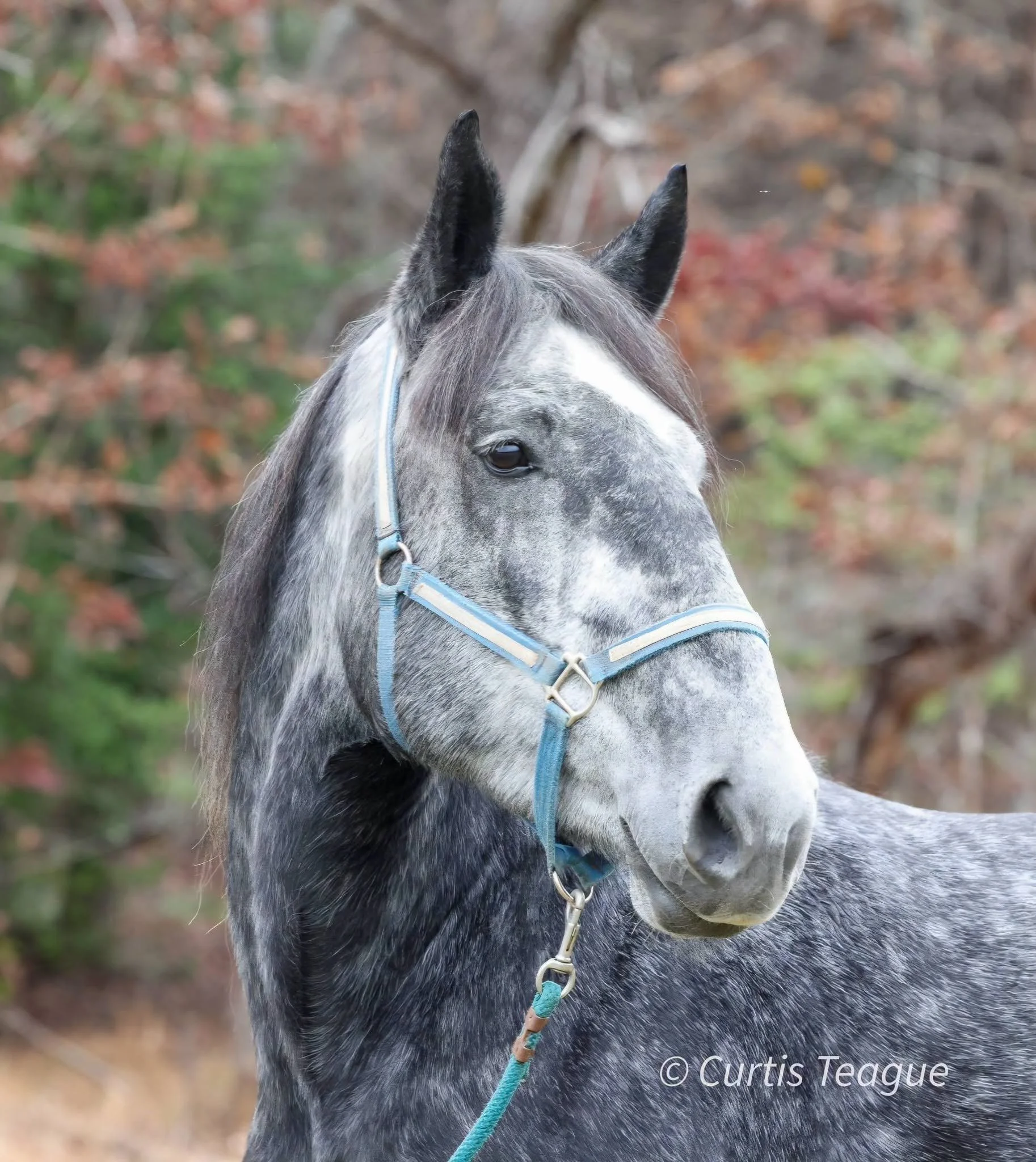
(A soft, calm eye on Kentucky Sky)
5. Look for Real-World Miles
A horse that has only been ridden in an arena may react very differently on its first trail ride. Look for a horse with real experience:
Trail riding over varied ground
Water crossings
Traffic, dogs, bikes and other everyday distractions
Riding alone and with other horses
Horses like Kentucky Sky, who has been trail ridden extensively and has parade and mounted patrol training, have already seen the kinds of surprises that rattle greener horses.
6. Watch an Adult Ride First, Then Your Child
When you visit a horse, ask the seller to ride it first. Then ride it yourself if you can. Only after that should your child get on, with someone holding the lead or riding nearby.
Pay attention to how the horse acts when it's tacked up, mounted, asked to stop, and turned away from its buddies. A good horse for kids will be the same horse every single time.
7. Safety Gear and Supervision Are Non-Negotiable
Even the safest horse is still a horse. Set your child up for success:
A properly fitted, certified riding helmet on every ride
Boots with a small heel so feet can't slide through the stirrups
Adult supervision, especially in the first months
Lessons, so skills keep growing alongside confidence
8. Questions to Ask Before You Buy
Bring this list with you:
Has a child ridden this horse? How old, and how experienced?
How does the horse act with the farrier and vet?
Does it load and trailer quietly?
Any vices like biting, kicking, bucking or rearing?
How does it behave when it hasn't been ridden for a week or two?
What happens if the horse isn't the right fit after you take it home?
A seller who knows the horse well will answer these without hesitation. You can also read our guide on what makes a horse beginner-safe for more detail.
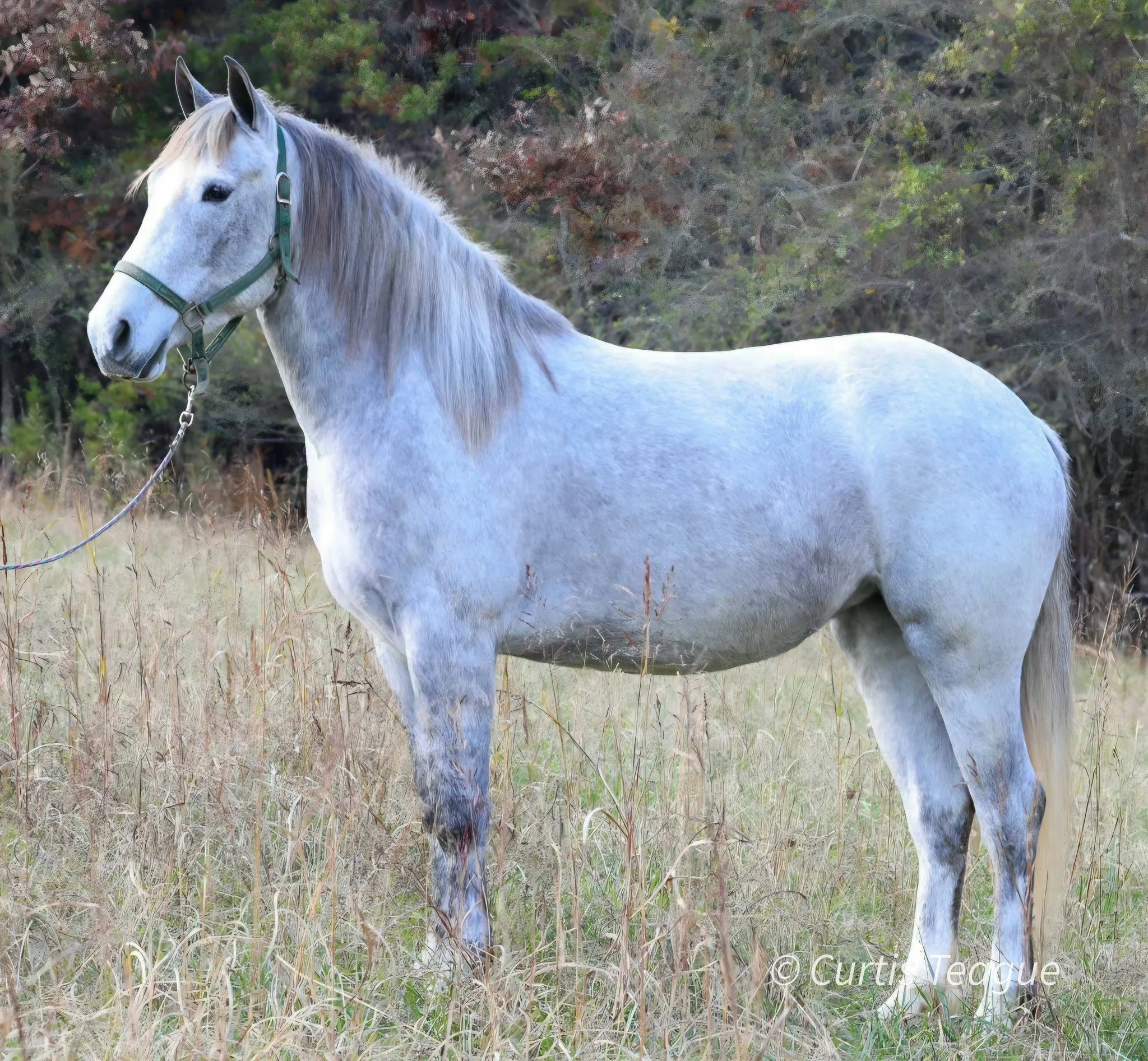
(Smiley Face: 4 years old, acts like 15)
9. Choose a Horse Your Child Can Grow With
The perfect first horse fits your child's skills today but still has room to grow with them. A steady, honest horse lets a young rider build confidence, learn to steer and stop, and eventually take on trail rides with the family.
It also helps if the horse suits the grown-ups. Many families end up sharing their horse, and horses that ride single, double or with a buddy saddle make it easy for a parent and child to enjoy rides together.
10. Buy From Someone Who Stands Behind the Horse
Where you buy matters as much as what you buy. Look for a seller who:
Lets you ride before you buy
Is honest about what the horse is and isn't
Has real reviews from families
Guarantees the horse and helps if something isn't right
At A Step Above Stables, every horse is guaranteed, and we'd rather tell you a horse isn't right for your child than sell you the wrong one.
Frequently Asked Questions About Kid-Safe Horses
What is the best age horse for a child?
Many families do best with a horse in its teens, but the horse's temperament and experience matter more than the number. A calm, well-trained younger horse can be safer than a reactive older one.
What breed is best for kids?
There's no single best breed. Quarter Horses, draft crosses, Gypsy crosses and many grade horses all make wonderful kids' horses. Look at the individual horse, not just the breed. Our guide to the best horse breeds for trail riding covers common family favorites.
Is a pony better than a horse for a young child?
Not necessarily. Some ponies are fantastic, but a quiet horse or draft cross is often easier for a family to share and can carry a parent too.
Can I buy a kid-safe horse without seeing it in person?
Yes, with the right seller. Ask for videos of children riding the horse, and read how buying a horse sight unseen works before you decide.
How much does a safe horse for a child cost?
Proven, kid-safe horses are in high demand and usually cost more than green or unproven ones. See our honest breakdown of what a good trail horse costs in 2026.
Is a horse a good Christmas gift for a child?
It can be, with the right planning. Read what families should know before the holidays.
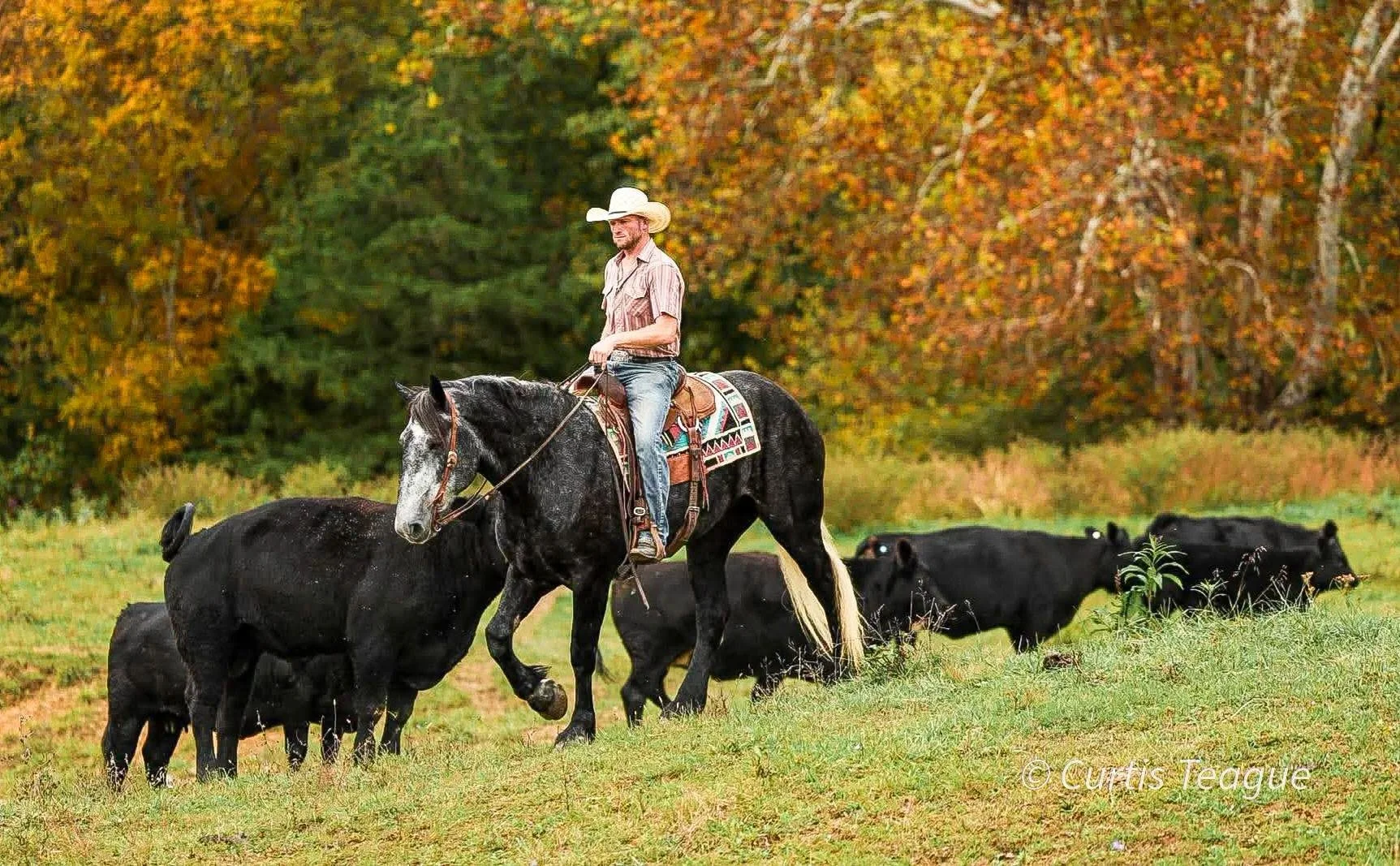
(Kentucky Sky has trail, ranch and parade miles behind her)
Finding a Horse Your Whole Family Can Enjoy
The right horse can give a child confidence, responsibility and memories that last a lifetime. The wrong one can turn a dream into fear.
That's why we take matching seriously. Tell us about your child's age, experience and goals, and we'll point you to horses that fit, not just the ones that are available.
Horses we have right now that are worth a look for families include Smiley Face, Kentucky Sky and Pistol Pete. Once your new horse comes home, our guide to the first 30 days will help you get started on the right foot.
All horses guaranteed. Payment plans available. Delivery anywhere.
Call us at 706-745-9051 or browse our available horses today.